Categories
Graphics Designing Solutions

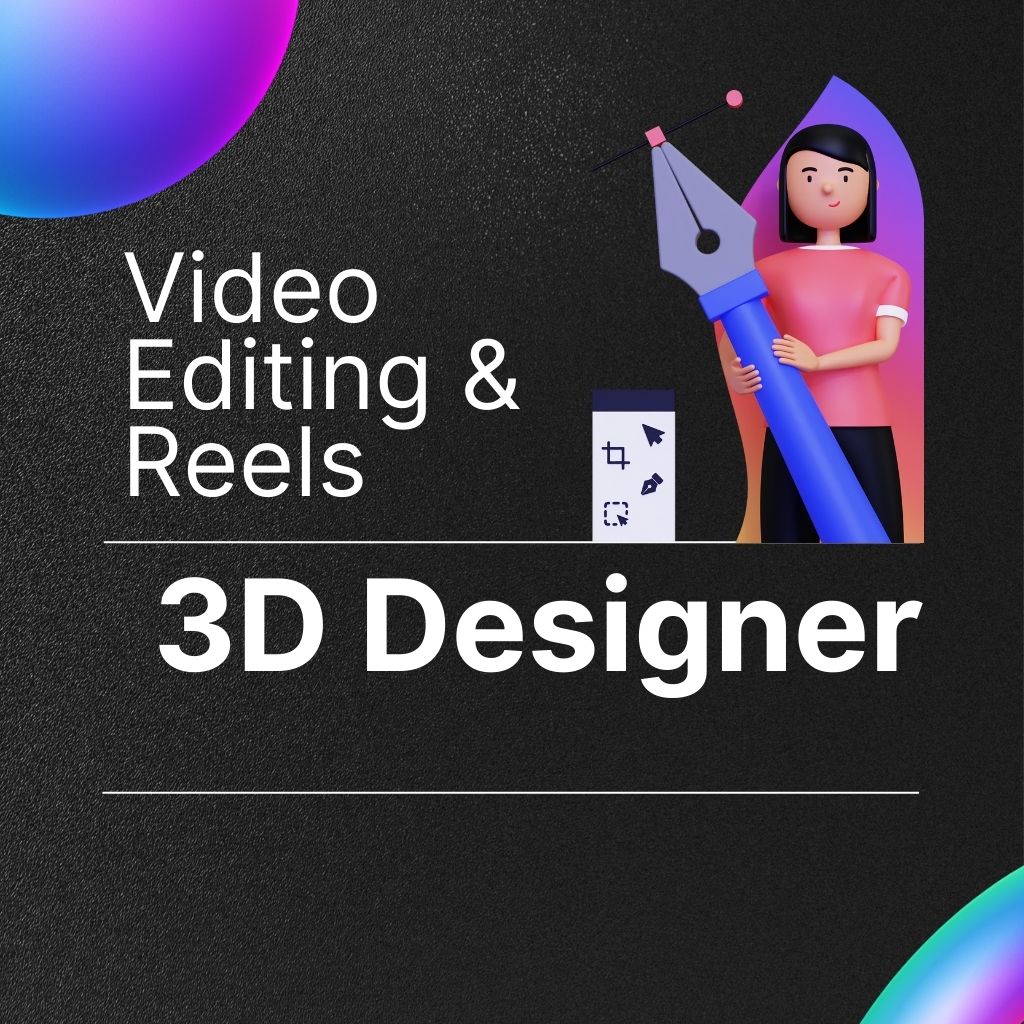
Simple Video Editing & Reels: Mastering the Art of Engaging Visual Content

Introduction: The Power of Short-Form Video

In today’s digital landscape, short-form videos and reels have transformed how audiences consume content. From Instagram to TikTok, YouTube Shorts to Facebook Reels, these bite-sized, visually engaging clips are driving massive reach, engagement, and conversions.

The beauty of this trend? You don’t need to be a professional editor to make videos that captivate and convert. With the rise of intuitive tools and apps, simple video editing is now accessible to everyone — entrepreneurs, content creators, marketers, educators, and everyday users.

This article will show you how to master simple video editing and create standout reels that grab attention and tell stories that resonate.


1. Why Simple Video Editing Is a Game-Changer

Video content is no longer optional — it’s essential. According to recent studies, video posts generate 12 times more engagement than text and images combined. But here’s the good news: creating compelling videos doesn’t have to involve complex software or expensive gear.

With the right tools and techniques, simple editing can produce professional-quality videos that drive your brand message home. Whether you’re creating a personal vlog, a product promotion, or a motivational reel, simplicity often beats overcomplication.


2. The Rise of Reels and Short-Form Content

Reels have become a universal language across social platforms. They’re designed to be quick, catchy, and shareable, making them perfect for:

  • Building personal brands

  • Promoting businesses or products

  • Educating audiences

  • Showcasing events or experiences

Reels work because they grab attention fast — often within the first 3 seconds — and deliver value in under a minute. This format caters to modern audiences with shorter attention spans while creating opportunities for brands and creators to go viral.


3. Tools for Simple Video Editing and Reels

You don’t need complex software like Adobe Premiere Pro or Final Cut Pro to make engaging videos. Here are user-friendly tools perfect for beginners and professionals alike:

  • Canva Video Editor – Easy drag-and-drop editing with templates.

  • CapCut – Popular for reels, offering filters, text, transitions, and trending effects.

  • InShot – Great for resizing and editing content for multiple platforms.

  • VN Video Editor – A free, versatile editor with advanced options for creators.

  • KineMaster – Ideal for creators who want slightly more control without complexity.

These platforms allow you to edit on your phone or desktop, making video creation fast, affordable, and fun.


4. The Anatomy of a Perfect Reel

Creating a reel that engages your audience involves strategy. Here’s what every high-performing video should include:

a) Hook in the First 3 Seconds

Start strong with visuals, captions, or audio that instantly grabs attention.

b) Clear Message

Keep your content focused. Viewers should understand your message in a single watch.

c) Dynamic Editing

Use smooth transitions, text overlays, and upbeat music to keep your audience engaged.

d) Authentic Storytelling

Reels thrive on relatability and emotion. Show the human side of your brand or story.

e) Strong Call-to-Action (CTA)

Encourage engagement with CTAs like “Follow for more,” “Comment below,” or “Shop now.”


5. Step-by-Step Guide to Editing a Reel

Here’s a beginner-friendly workflow for crafting your first reel:

  1. Plan Your Content – Decide your topic, script, or storyboard.

  2. Shoot High-Quality Footage – Use natural lighting and stable angles.

  3. Trim and Arrange Clips – Remove unnecessary footage to keep the video concise.

  4. Add Music and Sound Effects – Choose trending or royalty-free tracks for better engagement.

  5. Include Text and Captions – Enhance accessibility and message clarity.

  6. Use Transitions and Filters – Keep it smooth but don’t overdo effects.

  7. Export in High Resolution – Ensure your video looks sharp on all platforms.

  8. Post Strategically – Upload during your audience’s peak engagement hours.


6. Best Practices for Viral Reels

To maximize your content’s reach and impact:

  • Keep it Short and Sweet – Aim for 15 to 30 seconds.

  • Leverage Trends – Use trending sounds, hashtags, and challenges.

  • Focus on Value – Make viewers laugh, learn, or feel inspired.

  • Engage with Comments – Respond to build community and boost visibility.

  • Consistency Wins – Post regularly to stay relevant.

  • Track Analytics – Monitor performance to refine future content.


7. Common Mistakes to Avoid

Avoid these pitfalls when editing reels:

  • Overloading videos with too many effects.

  • Using low-quality audio or blurry visuals.

  • Ignoring captions — 80% of users watch videos without sound.

  • Skipping the planning phase.

  • Forgetting to add a clear CTA.


8. Benefits of Mastering Simple Editing and Reels

Embracing simple video editing opens up endless opportunities, such as:

  • Boosting brand visibility across social platforms.

  • Building stronger connections with audiences through authentic content.

  • Driving traffic and sales with engaging promotional reels.

  • Showcasing creativity without needing a big budget.

  • Standing out in crowded markets by leveraging visual storytelling.


9. The Future of Video and Reels

The future of video content is AI-driven and more interactive. Expect smarter editing tools, personalized content suggestions, and even easier creation processes. For creators and businesses, staying updated with new trends and features will be key to staying competitive.


10. Final Thoughts

Simple video editing and reels are no longer optional — they’re essential for anyone looking to thrive in the digital space. With the right mindset, tools, and strategies, you can create content that is not only visually stunning but also impactful and share-worthy.

Whether you’re a business owner, a creator, or someone just starting their digital journey, start small, stay consistent, and keep experimenting. Every reel you create is an opportunity to connect, inspire, and grow.

Read more > https://datahome.solutions/simple-video-editing-reels-mastering-the-art-of-engaging-visual-content/

#VideoEditingMadeEasy #ReelsCreation #ContentStrategy #SocialMediaGrowth #DigitalStorytelling #VideoMarketing #EngagingVisuals

Categories
Graphics Designing Solutions

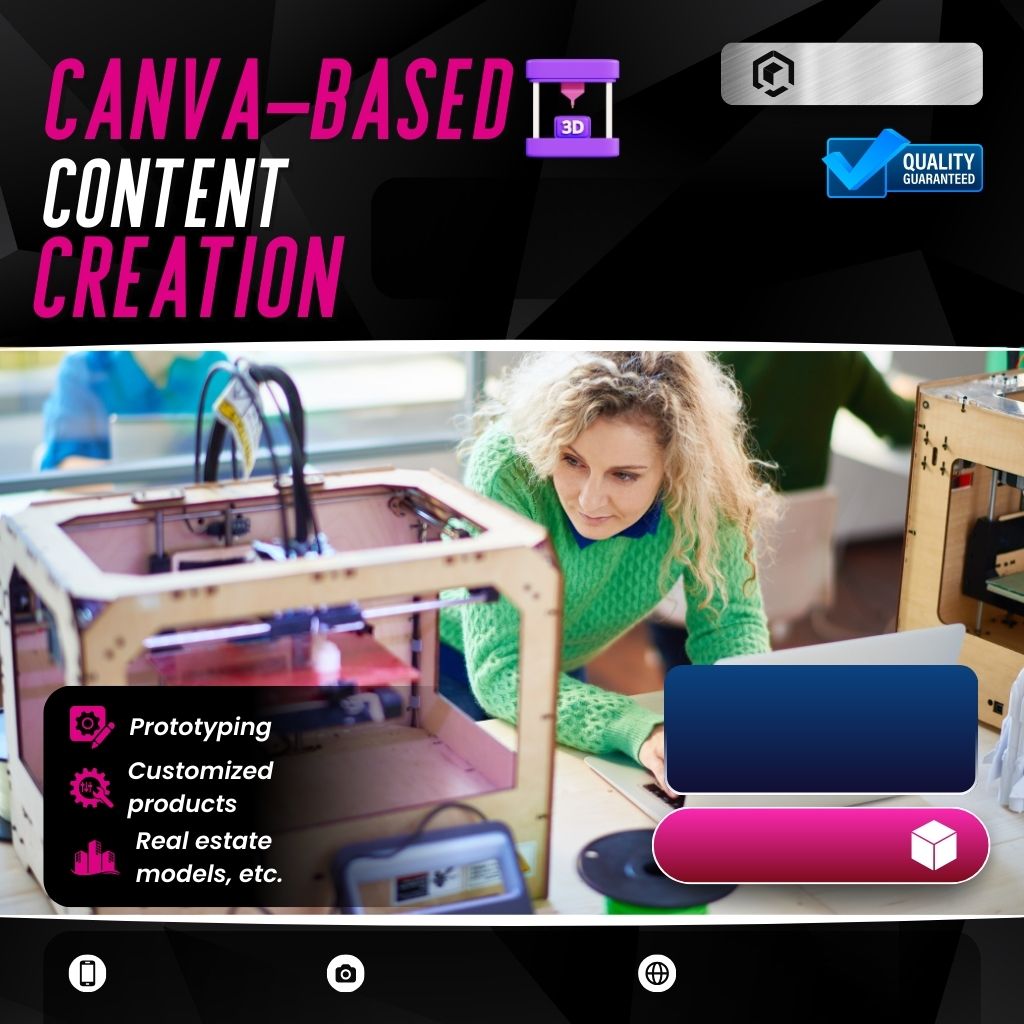
Canva-Based Design: Empowering Creativity for Every Brand and Business

Introduction: The Rise of Canva-Based Design

In the fast-paced digital age, visual content is king. Businesses, influencers, educators, and creatives need visually appealing materials that stand out and deliver results. But not everyone has the technical skills or resources to hire professional designers. This is where Canva-based design steps in — a powerful, user-friendly platform that democratizes design and puts creativity within everyone’s reach.

From logos to social media graphics, from pitch decks to posters, Canva empowers individuals and businesses to create professional-quality visuals quickly, easily, and affordably.


1. What Is Canva-Based Design?

Canva-based design refers to creating visual content using the Canva platform, an intuitive online tool designed for non-designers and professionals alike. With a drag-and-drop interface, thousands of templates, and a wide library of fonts, images, and elements, Canva bridges the gap between creativity and accessibility.

Whether you’re building branded marketing materials or designing a presentation for school or work, Canva simplifies the process while maintaining quality.


2. Why Canva Is a Game-Changer

Canva has become a go-to design tool because it eliminates the barriers to entry in graphic design. Its advantages include:

  • Ease of Use: No steep learning curve — even beginners can start creating immediately.

  • Affordable Access: Free and premium plans that fit any budget.

  • Time Efficiency: Create polished visuals in minutes, not hours.

  • Team Collaboration: Share projects with your team and edit in real-time.

  • Versatility: Ideal for businesses, educators, marketers, and freelancers.

With over 100 million users worldwide, Canva has established itself as the future of digital design.


3. The Core Applications of Canva-Based Design

Canva offers flexibility for a wide range of design needs. Here are the key areas where Canva shines:

a) Social Media Content

Eye-catching posts, stories, and reels for platforms like Instagram, Facebook, LinkedIn, and TikTok.
Example: Create a weekly content calendar with branded templates.

b) Branding and Marketing

Logos, business cards, and brand kits to ensure consistency across all channels.
Example: Build a professional brand identity package in under an hour.

c) Presentations

Design stunning slide decks that grab attention during pitches, webinars, or meetings.

d) Infographics

Transform data and statistics into engaging, easy-to-understand visuals.

e) Print and Digital Materials

From posters and flyers to eBooks and brochures, Canva makes high-quality print and digital assets accessible.

f) Video Content

Use Canva’s video editor to create short videos, animations, or promotional clips.

g) Educational and Training Materials

Teachers and trainers can design worksheets, lesson plans, or course materials with ease.


4. The Benefits of Canva-Based Design for Businesses

For businesses, Canva is more than just a design tool — it’s a strategic advantage. Here’s why:

  • Brand Consistency: Canva’s “Brand Kit” ensures that logos, fonts, and colors stay uniform across all materials.

  • Speed and Agility: Quickly produce graphics to match campaigns, seasons, or trends.

  • Cost Savings: Avoid the expense of hiring full-time designers for smaller projects.

  • Enhanced Collaboration: Teams can work together on projects, speeding up feedback and approvals.

  • Scalability: From startups to enterprises, Canva grows with your needs.


5. Best Practices for Stunning Canva Designs

To maximize Canva’s potential, follow these professional tips:

a) Start with a Brand Kit

Upload your logo, select brand colors, and choose fonts to ensure consistency in every design.

b) Use High-Quality Images

Leverage Canva’s extensive library or upload your own professional images.

c) Keep It Simple

Avoid clutter. Use clean layouts that emphasize your core message.

d) Master Typography

Pair fonts strategically — one for headings, one for body text — for a polished look.

e) Optimize for Platform

Ensure the correct dimensions for each platform — Instagram posts differ from YouTube thumbnails or Pinterest pins.

f) Experiment with Templates

Canva templates are a great starting point, but customize them to make your designs unique.

g) Stay Updated

Explore Canva’s new features like AI-assisted design tools and Magic Resize for efficiency.


6. Canva Pro vs. Free: What’s the Difference?

While the free version of Canva is powerful, Canva Pro unlocks premium features, such as:

  • Access to over 100 million premium images and videos.

  • One-click Magic Resize for multiple platforms.

  • Background remover for clean, professional visuals.

  • Unlimited storage for assets and designs.

  • Team collaboration tools for businesses and agencies.

For brands serious about scaling their design strategy, Canva Pro is a worthy investment.


7. Real-World Success Stories

Canva-based design has helped countless brands, entrepreneurs, and creators elevate their presence:

  • Small Businesses: Local shops boosted engagement by creating branded social media posts.

  • Educators: Teachers created interactive and visually appealing lesson materials to improve learning experiences.

  • Startups: Entrepreneurs designed professional pitch decks that secured funding.

  • Nonprofits: Charities used Canva to design impactful campaigns without breaking the budget.

These stories highlight how Canva empowers creativity at every level.


8. Trends in Canva-Based Design

Canva continues to innovate, driving design trends that keep brands ahead of the curve:

  • AI-Driven Design: Smart suggestions for layouts, images, and color schemes.

  • Dynamic Animations: Adding motion to static designs for greater engagement.

  • Personalized Templates: Tailored to industries and niches.

  • Data-Driven Infographics: Making complex analytics visually appealing.

  • Collaborative Workflows: Enhanced team design systems for remote work environments.


9. The Future of Canva-Based Design

With its focus on innovation, Canva is set to revolutionize how we create and consume digital content. Expect to see tighter integrations with AI, improved 3D graphics, and seamless tools for content creators, marketers, and businesses looking to scale efficiently.


10. Final Thoughts

Canva-based design is more than just a creative tool — it’s a movement. It has redefined how individuals and businesses approach design, making professional-quality visuals accessible, affordable, and efficient.

In a competitive digital marketplace, where visuals drive engagement and trust, Canva empowers users to transform ideas into stunning realities. Whether you’re building your personal brand, running a small business, or managing a large enterprise, Canva equips you with the power to design like a pro.

Read more > https://datahome.solutions/canva-based-design-empowering-creativity-for-every-brand-and-business/

#CanvaDesign #CreativeTools #VisualMarketing #DigitalBranding #DesignForEveryone #GraphicDesignSimplified #BusinessGrowthWithCanva

Categories
Graphics Designing Solutions

Professional Presentation Design: Crafting Visual Stories That Inspire and Persuade

Introduction: Why Presentation Design Matters

In today’s fast-paced digital landscape, a well-designed presentation can make the difference between winning an audience and losing their attention. Whether you’re pitching to investors, closing a sales deal, or presenting at a high-profile conference, the quality of your slides reflects the quality of your brand.

Professional presentation design is no longer just about slides; it’s about creating an immersive visual story that blends strategy, design, and communication. It transforms your message into a compelling experience that informs, inspires, and motivates action.


1. The Power of Professional Presentation Design

The days of cluttered slides with endless bullet points are gone. Today’s audience expects clear, visually appealing, and strategically designed presentations that:

  • Capture attention in the first few seconds.

  • Deliver complex information in an easy-to-understand way.

  • Build credibility and professionalism.

  • Inspire confidence and drive decisions.

From startups pitching for funding to Fortune 500 executives delivering keynotes, the impact of great design cannot be overstated.


2. The Core Principles of Effective Presentation Design

A successful presentation combines aesthetics, clarity, and storytelling. Professional designers focus on these principles:

a) Visual Hierarchy

Good design guides the audience’s eyes to what matters most, balancing fonts, colors, and layouts to create clarity and flow.

b) Consistency

A cohesive design with unified typography, color schemes, and branding elements builds trust and strengthens your brand identity.

c) Simplicity

Less is more. Clean slides avoid overwhelming the audience and keep the focus on the message.

d) Storytelling

Facts and figures are powerful, but stories create emotional connections. Every great presentation tells a story that audiences remember.

e) Balance Between Text and Visuals

High-quality images, icons, and data visualizations amplify messages without distracting from the content.


3. The Benefits of Hiring Professional Designers

Many businesses rely on templates or in-house efforts, but professional presentation designers deliver a higher level of quality and strategy:

  • Time Savings: Experts handle design, letting you focus on the content and delivery.

  • Customization: Tailored designs that align with your goals, audience, and brand.

  • Visual Impact: Professional graphics, animations, and layouts that captivate.

  • Consistency Across Platforms: Ensures a unified brand image in every presentation.

  • Data Visualization Expertise: Turning complex data into easy-to-grasp infographics and charts.


4. Types of Professional Presentations

Professional presentation design services cater to a wide variety of needs, including:

a) Business Pitch Decks

Startups and entrepreneurs use investor-ready decks that are concise, persuasive, and visually stunning.

b) Corporate Presentations

Internal and external company presentations that communicate data, strategies, or results in clear and professional formats.

c) Sales and Marketing Decks

Persuasive slides that highlight products, services, and solutions to convert prospects into clients.

d) Educational and Training Materials

Simplified, structured designs that make learning engaging and interactive.

e) Conference and Keynote Presentations

Dynamic visuals that keep audiences engaged during high-profile talks or events.


5. The Process of Designing a Professional Presentation

A streamlined design process ensures precision and creativity. Most professional agencies or freelancers follow these steps:

  1. Discovery: Understand the objective, audience, and content requirements.

  2. Content Strategy: Outline a clear flow and messaging for the presentation.

  3. Initial Design Concepts: Create a few layout samples for review.

  4. Refinement: Apply feedback to fine-tune slides and visual elements.

  5. Final Delivery: Provide high-quality, editable files optimized for different platforms.

This collaborative approach ensures the presentation is polished, powerful, and ready to impress.


6. Tools and Technologies in Presentation Design

Modern presentation design relies on advanced tools to create polished, professional outputs:

  • PowerPoint: A classic platform enhanced with custom templates and animations.

  • Google Slides: Great for collaboration with real-time editing features.

  • Keynote: Perfect for sleek, Apple-inspired designs.

  • Canva: User-friendly templates with professional-grade customization.

  • Adobe Creative Suite: For complex, highly customized graphics and animations.

These tools, combined with the expertise of professional designers, elevate your presentations to world-class quality.


7. Trends Shaping Professional Presentation Design

To stand out in a competitive digital environment, brands are embracing modern design trends such as:

  • Minimalist Layouts: Clean slides with bold typography and generous white space.

  • Animated Transitions: Subtle animations that make content dynamic without distractions.

  • Infographic Integration: Turning data-heavy slides into visual storytelling tools.

  • Interactive Elements: Clickable links and embedded videos for immersive experiences.

  • Custom Illustrations: Unique, branded visuals that set presentations apart.

By staying on top of these trends, your presentations will always feel fresh and innovative.


8. Maximizing the Impact of Your Presentation

A beautiful presentation is only as effective as the strategy behind it. To maximize impact:

  • Understand your audience and tailor your tone and visuals accordingly.

  • Use data strategically to back your message with credibility.

  • Rehearse delivery to ensure confidence and clarity.

  • Pair design with storytelling to keep audiences emotionally invested.

When design and delivery work together, your presentation becomes a powerful tool for influence.


9. Real-World Success Stories

Professional presentation design drives measurable results. Consider these examples:

  • A tech startup secured millions in funding after redesigning its pitch deck for a cleaner, more persuasive look.

  • A consulting firm increased client conversions by 30% with updated, branded sales decks.

  • A trainer boosted audience engagement during workshops by incorporating interactive slide elements.

These stories demonstrate the transformative potential of professional design.


10. The Future of Professional Presentations

As technology evolves, so will the art of presentation design. Expect to see:

  • AI-driven personalization to adapt slides in real-time for audiences.

  • Virtual and Augmented Reality integrations for immersive experiences.

  • Advanced analytics to measure audience engagement and response.

The future is about smarter, more dynamic presentations that blend creativity and technology seamlessly.


Conclusion

Professional presentation design is not just about creating slides — it’s about crafting visual stories that connect, inspire, and persuade. Whether you’re addressing a small team, pitching to investors, or presenting on a global stage, investing in expert design services ensures your message is delivered with clarity, impact, and style.

Read more > https://datahome.solutions/professional-presentation-design-crafting-visual-stories-that-inspire-and-persuade/

#PresentationDesign #BusinessPitchDeck #VisualStorytelling #CorporateBranding #SlideDesign #ProfessionalPresentations #DesignInnovation

Categories
Graphics Designing Solutions

Graphic Design Services: Transforming Brands with Visual Innovation

Introduction: The Power of Visual Communication

In a world where attention spans are shorter than ever, visual content is the ultimate storyteller. Whether it’s a striking logo, a beautifully designed website, or engaging social media graphics, graphic design services play a pivotal role in how businesses connect with their audience.

Graphic design is no longer just about aesthetics; it is about strategic creativity — blending art and purpose to create visuals that inspire, engage, and convert. Businesses that invest in professional design don’t just build brands; they craft experiences that leave lasting impressions.


1. Why Graphic Design Services Are Essential for Every Business

Great design isn’t a luxury — it’s a necessity. In competitive markets, where brands are fighting for visibility, professional graphic design services deliver:

  • Strong Brand Identity: Your visuals define how people perceive your brand. A consistent and polished design builds credibility.

  • Enhanced Communication: From digital ads to presentations, design translates complex messages into simple, engaging visuals.

  • Increased Engagement: Quality graphics capture attention and drive interactions across platforms.

  • Professionalism and Trust: A cohesive design strategy signals reliability and attention to detail.

Imagine walking into a store with poorly designed signage versus one with a modern, cohesive aesthetic — your perception of quality changes instantly. That’s the power of design.


2. The Core Elements of Professional Graphic Design Services

Graphic design covers a spectrum of services that businesses can leverage for growth. Here are the core areas where design shines:

a) Logo and Brand Identity Design

A logo is the visual signature of your business. Combined with typography, color palettes, and design guidelines, it lays the foundation for a memorable brand identity.

b) Marketing Collateral

From brochures and flyers to posters and presentations, these tangible and digital assets are vital for effective customer outreach.

c) Website and UI/UX Design

Your website is often the first interaction customers have with your brand. A user-friendly, visually appealing interface can turn casual visitors into loyal clients.

d) Social Media Graphics

Social platforms thrive on visuals. High-quality templates, infographics, and video thumbnails help you stand out in crowded feeds.

e) Infographics and Data Visualization

Design turns raw data into engaging, easy-to-digest visuals, making complex information simple and attractive.

f) Packaging Design

For product-based businesses, packaging is often the silent salesman. Well-designed packaging enhances perceived value and attracts buyers.

g) Advertising Design

Creative, conversion-focused ads — whether print, digital, or outdoor — amplify your marketing campaigns and drive measurable results.


3. The Design Process: Turning Concepts into Creations

Professional graphic design services follow a structured creative workflow to ensure consistency and quality:

  1. Research & Discovery: Understanding your brand, audience, and goals.

  2. Conceptualization: Brainstorming innovative ideas aligned with your objectives.

  3. Design Development: Bringing concepts to life with colors, typography, and imagery.

  4. Feedback & Iteration: Collaborating with clients for refinements.

  5. Delivery: Providing final, versatile assets ready for print and digital use.

This collaborative process ensures every project delivers impact and aligns with your vision.


4. The Impact of Design on Branding and Marketing

Every successful brand is built on strong visual storytelling. Here’s how graphic design enhances branding and marketing efforts:

  • Creates instant recognition through consistent visuals.

  • Builds trust and credibility, influencing buying decisions.

  • Boosts engagement rates across platforms.

  • Turns campaigns into memorable experiences that stick with your audience.

When design aligns with strategy, it becomes a powerful driver of growth.


5. Key Trends Shaping Modern Graphic Design

The graphic design industry is constantly evolving. Staying on top of trends keeps your brand fresh and competitive:

  • Minimalism: Clean, clutter-free visuals with a focus on key elements.

  • 3D and Motion Graphics: Adding depth and movement to captivate audiences.

  • Sustainable Design: Eco-friendly concepts and earthy tones for conscious branding.

  • Personalized Visuals: Hyper-customized designs for niche markets.

  • AI-Enhanced Creativity: Streamlining workflows and sparking innovative concepts.

Embracing these trends helps businesses stay ahead in a visually driven marketplace.


6. Choosing the Right Graphic Design Partner

Selecting the right partner is crucial for achieving high-quality, strategic designs. Consider these factors:

  • Portfolio and Expertise: Review past work for creativity, consistency, and relevance.

  • Industry Knowledge: Choose a partner familiar with your market.

  • Communication and Collaboration: Ensure they understand and share your vision.

  • Flexibility and Support: Look for services that grow with your business needs.

  • Client Reviews: Testimonials can highlight reliability and quality.

A trusted partner doesn’t just deliver designs — they help elevate your brand identity.


7. Maximizing ROI from Graphic Design Services

Graphic design is an investment, not an expense. To maximize value:

  • Provide clear, detailed briefs for every project.

  • Stay open to creative ideas and expert suggestions.

  • Maintain consistent branding across platforms.

  • Regularly review performance metrics to optimize designs.

When you see design as a growth tool, you unlock long-term returns in visibility, engagement, and loyalty.


8. Success Stories That Inspire

Real-world examples show how powerful design drives success:

  • A tech startup tripled engagement by revamping its app interface for a better user experience.

  • A local café boosted foot traffic by 40% after refreshing its logo and menu design.

  • A retail brand doubled online sales by using cohesive visuals across email campaigns and social media.

These stories prove that strategic, professional design transforms businesses.


9. The Future of Graphic Design

The future of graphic design is innovation-driven, merging creativity with technology. Brands that embrace AI tools, immersive experiences, and sustainable practices will lead the way in connecting with modern audiences.


10. Final Thoughts

Graphic design services are more than just a creative solution; they are the heartbeat of brand success. From logos to websites, and from marketing collateral to motion graphics, professional design delivers results that go beyond aesthetics.

In a competitive world, where every detail matters, investing in professional design ensures your brand is not just seen but remembered and trusted.

Read more > https://datahome.solutions/graphic-design-services-transforming-brands-with-visual-innovation/

#GraphicDesign #BrandIdentity #CreativeStrategy #VisualMarketing #DesignInnovation #DigitalBranding #MarketingSuccess

Categories
Content Creation Solutions

Crafting Compelling Captions and Headlines: The Ultimate Guide to Grabbing Attention and Driving Engagement

In the digital era, attention is the most valuable currency. Whether it’s a blog post, social media update, email campaign, or an ad, your caption or headline is the gateway to your content. It decides whether your audience will scroll past or stop, click, and engage.

The art of crafting compelling captions and headlines is not just about stringing words together — it’s about understanding human psychology, emotional triggers, and clarity. In this article, we’ll explore actionable strategies, techniques, and tips to help you write captions and headlines that resonate, inspire, and convert.


1. Why Captions and Headlines Matter

Your headline or caption is often the first impression of your content. According to studies, 80% of readers never make it past the headline. That means your caption or headline determines if your effort will soar or sink.

Compelling headlines and captions serve multiple purposes:

  • Grab Attention – Stop the scroll in a noisy digital landscape.

  • Spark Curiosity – Make readers eager to discover more.

  • Set Expectations – Communicate what your content delivers.

  • Drive Action – Inspire readers to engage, click, or purchase.

If your words don’t immediately resonate, your audience won’t even see the value within your content.


2. The Psychology Behind Powerful Words

Great captions and headlines leverage human emotions and behavior. Here are the psychological triggers that make your words irresistible:

  • Curiosity: Tease information without giving it all away.
    Example: “The Secret Ingredient to Skyrocketing Your Engagement (It’s Not What You Think!)”

  • Fear of Missing Out (FOMO): Make readers feel they can’t afford to ignore your message.
    Example: “Are You Making These 5 Mistakes in Your Marketing Strategy?”

  • Urgency and Scarcity: Prompt immediate action.
    Example: “Enroll Today — Only 10 Spots Left!”

  • Authority: Use credible language to build trust.
    Example: “Expert-Backed Tips for Writing High-Converting Headlines.”

  • Emotion: Tap into feelings like joy, inspiration, or empathy.
    Example: “Transform Your Morning: 5 Habits That Will Change Your Life.”

Understanding these triggers allows you to speak directly to your audience’s desires and pain points.


3. The Anatomy of a High-Impact Headline

A powerful headline balances clarity, brevity, and creativity. Here’s a proven framework:

a) Keep It Short and Clear

Aim for 6-10 words for headlines and under 125 characters for captions.
Example: “Boost Your Instagram Reach in 7 Days.”

b) Make It Specific

Vague headlines rarely convert.
Example: “How to Double Your Blog Traffic in 30 Days.”

c) Include Power Words

Use high-energy words like “proven,” “ultimate,” “secret,” “exclusive,” and “guaranteed” to add authority and intrigue.

d) Add Numbers

Numbers provide clarity and catch the eye.
Example: “10 Proven Strategies to Increase Sales.”

e) Focus on Benefits

Highlight what the audience gains.
Example: “Write Headlines That Get 3x More Clicks.”


4. Crafting Social Media Captions that Connect

Social media captions require a balance of authenticity and strategy. Whether it’s Instagram, LinkedIn, or TikTok, follow these tips:

a) Know Your Audience

Understand who you’re talking to — their challenges, goals, and preferences.

b) Hook Them Early

Start with a strong opening line to stop the scroll.
Example: “Most entrepreneurs fail — here’s how to avoid it.”

c) Tell a Story

Stories build emotional connections. Share a relatable experience to make your content memorable.

d) Use a Call to Action (CTA)

Guide your audience on what to do next — like, comment, share, or click the link.
Example: “Comment ‘YES’ if you’re ready to grow your business.”

e) Use Emojis and Formatting

Emojis can make captions visually engaging but use them sparingly and strategically.


5. Writing for Different Platforms

Every platform has unique dynamics. Tailor your captions and headlines accordingly:

  • Instagram: Conversational, emotional, and visually engaging.

  • Twitter/X: Short, witty, and straight to the point.

  • LinkedIn: Professional, authoritative, and value-driven.

  • YouTube: Click-worthy with curiosity hooks.

  • Email: Personalized, benefit-driven subject lines to boost open rates.

Example:

Platform Example Caption/Headline
Instagram “Success isn’t about luck — it’s about strategy. Ready to level up?”
Twitter “3 quick tips to double your engagement — thread ”
LinkedIn “How I Scaled My Business to 6 Figures in 12 Months”
YouTube “The Marketing Strategy No One Is Talking About (But Should Be)”

6. Tools and Resources for Better Writing

Enhance your caption and headline writing with these tools:

  • CoSchedule Headline Analyzer – Grades your headlines for effectiveness.

  • Grammarly – Ensures your copy is error-free and polished.

  • Hemingway Editor – Simplifies your writing for clarity.

  • ChatGPT – Generates creative headline ideas and variations quickly.

  • Thesaurus.com – Helps you find powerful synonyms to spice up your text.


7. Testing and Refining Your Copy

Even the best writers rely on testing and data to perfect their captions and headlines.

  • A/B Testing: Test different variations to see what resonates.

  • Track Metrics: Monitor clicks, engagement, and conversions.

  • Feedback Loops: Collect insights from your audience and adapt.

Remember: what works today may not work tomorrow. Stay flexible and keep experimenting.


8. Common Mistakes to Avoid

Avoid these pitfalls to ensure your headlines and captions hit the mark:

  • Being Too Vague: Specificity wins attention.

  • Overusing Clickbait: It might attract clicks but damages trust.

  • Ignoring Your Audience: Know your readers — not just your content.

  • Skipping Proofreading: Typos undermine credibility instantly.


9. The Future of Captions and Headlines

With the rise of AI, personalization, and micro-content, the future of captions and headlines is adaptive and data-driven. Creators and brands that combine authenticity with strategy will continue to dominate.


Conclusion

Crafting compelling captions and headlines is both an art and a science. It demands a mix of creativity, strategy, and audience awareness. By focusing on clarity, emotional triggers, and consistent testing, you can create messages that captivate, connect, and convert.

Read more > https://datahome.solutions/capture-attention-with-powerful-captions-headlines-by-datahome-solutions/

#CopywritingTips, #ContentStrategy, #MarketingSuccess, #HeadlineWriting, #SocialMediaGrowth, #DigitalMarketing, #EngagementBoost

Categories
Content Creation Solutions

Unlock Engagement and Drive Conversions: Masterful Caption Writing and Headline Generation for Maximum Impact

Introduction: The Power of Words in the Digital Age

In the modern digital landscape, where attention spans are shrinking, the right words can make the difference between being noticed or getting lost in the noise. Captions and headlines are not just decorative text—they are the gateways to engagement, the first impression your brand makes, and a decisive factor in whether an audience clicks, reads, or converts.

While high-quality content is essential, even the most valuable content can underperform without compelling headlines or captions. Every blog post, social media update, video, or advertisement begins its journey with a headline or caption, making their creation an essential skill for any brand seeking visibility and impact.

Professional caption writing and headline generation services ensure that your words work as hard as your content, delivering clarity, emotion, and motivation that encourages interaction and builds brand loyalty.


Why Captions and Headlines Matter

  1. Grab Attention Instantly:
    In a sea of social media posts, blogs, and ads, your headline or caption is your first—and often only—chance to capture attention. An effective headline sparks curiosity and encourages further engagement.

  2. Increase Click-Through Rates:
    A well-crafted headline can dramatically increase click-through rates (CTR). By combining curiosity, relevance, and clarity, you encourage audiences to read or interact with your content.

  3. Drive Conversions:
    Captions and headlines can subtly guide audiences toward taking action, whether subscribing, purchasing, or engaging. A powerful call-to-action embedded in your words can significantly impact conversions.

  4. Enhance Brand Personality:
    Captions and headlines reflect your brand’s voice and tone. They communicate professionalism, creativity, and relatability, helping you connect with your audience on a personal level.

  5. Boost Social Media Engagement:
    Social media thrives on visual and textual harmony. Captions complement visuals and provide context, storytelling, or humor that increases likes, shares, and comments.


Key Elements of Effective Captions and Headlines

1. Clarity:
Your audience should instantly understand the message. Avoid ambiguity or overly complex language. Clear, concise, and purposeful wording ensures your message resonates.

2. Emotional Appeal:
People respond to emotion. Whether your goal is excitement, curiosity, or empathy, incorporating emotional triggers can significantly enhance engagement.

3. Relevance:
Headlines and captions should align with the content they represent. Mismatched messaging can frustrate audiences and harm credibility.

4. Action-Oriented Language:
Encourage readers to act. Words like “discover,” “unlock,” “learn,” or “join” create a sense of urgency and prompt engagement.

5. SEO and Keywords:
For online content, incorporating targeted keywords can improve visibility. Optimized headlines ensure your content reaches the right audience through search engines.

6. Creativity and Uniqueness:
In a crowded content space, originality matters. Unique headlines or captions differentiate your brand and make your content memorable.


Types of Caption Writing and Headline Services

1. Social Media Captions:
Crafting engaging captions for platforms like Instagram, Facebook, LinkedIn, and Twitter that enhance visuals, tell stories, and invite interaction.

2. Blog Headlines:
Creating compelling, click-worthy headlines that increase traffic while accurately representing the content.

3. Ad Copy Headlines:
Developing persuasive headlines for Google Ads, Facebook Ads, and other paid campaigns to maximize CTR and ROI.

4. Video Titles and Captions:
Generating captivating video titles and captions that improve visibility on YouTube, TikTok, and other video platforms.

5. Email Subject Lines:
Crafting subject lines that boost open rates and encourage engagement in email marketing campaigns.

6. E-commerce Product Titles and Captions:
Optimizing product titles and descriptions to attract buyers, increase discoverability, and boost sales.

7. Storytelling Captions for Brand Engagement:
Using narrative-driven captions to build brand loyalty, connect emotionally with the audience, and encourage interaction.


Benefits of Professional Caption Writing and Headline Generation Services

  1. Save Time and Resources:
    Writing effective captions and headlines is time-consuming. Professionals streamline the process, allowing businesses to focus on strategy and growth.

  2. Maximize Content Impact:
    Even the best content underperforms without strong headlines. Professional services ensure every word supports your goals and resonates with your audience.

  3. Maintain Consistency and Brand Voice:
    Experts maintain a consistent tone across all platforms, enhancing recognition and building trust.

  4. Data-Driven Creativity:
    Professional services analyze performance metrics to create headlines and captions that are proven to generate clicks, engagement, and conversions.

  5. Cross-Platform Optimization:
    Different platforms require different strategies. Professionals adapt captions and headlines to fit platform-specific best practices while maintaining brand identity.


How to Choose the Right Caption and Headline Service

  1. Experience and Portfolio:
    Review previous work to ensure the provider can craft diverse captions and headlines across multiple industries and platforms.

  2. Understanding Your Audience:
    A deep understanding of your target audience is essential. The provider should create content that speaks directly to your audience’s needs, emotions, and preferences.

  3. SEO and Analytics Expertise:
    For online content, expertise in SEO and analytics ensures your headlines improve visibility and drive meaningful engagement.

  4. Creativity and Originality:
    Look for services that prioritize unique and innovative solutions over generic, template-based content.

  5. Scalability and Flexibility:
    Ensure the provider can handle varying volumes and adapt to different content strategies as your brand grows.


Real-Life Examples of Success

Brands that leverage professional caption writing and headline generation often see significant improvements in engagement and conversions.

  • A lifestyle brand revamped their Instagram captions using professional services. Within two months, post engagement increased by 70%, follower growth accelerated, and brand mentions soared.

  • An e-commerce company optimized product headlines and ad copy. Click-through rates increased by 45%, and sales conversions improved by 30%, demonstrating the direct impact of carefully crafted headlines.

  • A B2B SaaS provider redesigned their blog headlines and email subject lines. Open rates jumped 50%, demonstrating how headline optimization drives measurable business results.

These examples illustrate that professional caption and headline services are not merely cosmetic—they are strategic tools for business growth.


Conclusion: Elevate Your Content with Words That Work

In an era where attention is scarce, words are your most powerful asset. Captions and headlines are the first point of contact with your audience, making their quality critical to engagement, reach, and conversions.

Professional caption writing and headline generation services empower businesses to unlock the full potential of their content. By combining creativity, strategy, and data-driven insights, these services ensure your content not only gets seen but also inspires action.

Investing in professional services is an investment in visibility, engagement, and growth. With the right words, your content can cut through the noise, connect with audiences, and achieve measurable business results—making every post, email, or ad count.


Read more >

#CaptionWriting #HeadlineGeneration #ContentMarketing #SocialMediaEngagement #DigitalMarketing #BrandStrategy #Copywriting

Categories
Content Creation Solutions

Maximize Your Reach: Transform Your Existing Content Into Multi-Platform Success with Expert Content Repurposing Services

Introduction: The Power of Repurposing Content

In today’s fast-paced digital world, content is king, but visibility is queen. Creating high-quality content is essential, yet many businesses struggle to get their content in front of the right audience. This is where content repurposing services come into play. Repurposing content allows businesses to maximize the value of their existing content, reach a broader audience, and improve engagement across multiple platforms—all without constantly reinventing the wheel.

Content repurposing isn’t just about recycling old material; it’s about transforming it strategically to meet the preferences and behaviors of diverse audiences. From turning a blog post into an engaging video to transforming webinars into insightful social media snippets, repurposing content ensures that every piece you create continues to work hard for your brand long after it is published.


Why Businesses Need Content Repurposing Services

  1. Boost Content ROI:
    Creating content requires time, effort, and resources. Repurposing allows businesses to extract more value from each piece, making the investment in content creation far more profitable.

  2. Reach a Broader Audience:
    Different people consume content in different ways. Some prefer videos, others enjoy reading blogs or listening to podcasts. Repurposing content enables you to cater to all preferences, expanding your audience and increasing engagement.

  3. Maintain Consistent Brand Presence:
    Consistency is key in building trust and authority online. Repurposed content ensures your brand stays visible across multiple platforms, reinforcing your message and credibility.

  4. Improve SEO Performance:
    Repurposed content can improve search engine visibility. By creating multiple versions of a blog post, infographic, or video with targeted keywords, your chances of ranking higher in search results increase.

  5. Save Time and Resources:
    Instead of creating new content from scratch every day, repurposing allows you to leverage your existing library, saving hours of work while maintaining quality and relevance.


Popular Types of Content Repurposing

1. Blog to Video:
Turn long-form blog content into engaging video scripts. Platforms like YouTube, Instagram Reels, or TikTok thrive on video, allowing you to reach audiences who prefer visual learning.

2. Video to Blog:
Transcribe videos or webinars into detailed blog posts. This not only boosts SEO but also caters to readers who prefer written content over visual media.

3. Blog to Infographic:
Convert detailed articles into visual infographics. Infographics are highly shareable, easy to understand, and can significantly improve social media engagement.

4. Podcast to Blog or Social Snippets:
Podcasts contain valuable insights that can be turned into blog posts, social media quotes, or short videos. This approach ensures that your key messages reach a wider audience.

5. Webinar to E-Book or Guide:
Transform recorded webinars into comprehensive e-books, guides, or downloadable resources. This is an excellent lead-generation strategy that maximizes the impact of a single session.

6. Social Media Repurposing:
Convert blog posts or video clips into bite-sized content for Instagram, LinkedIn, or Twitter. Consistent posting of repurposed content keeps your audience engaged without creating entirely new material.


Benefits of Professional Content Repurposing Services

  1. Expert Strategy and Execution:
    Professional services ensure your content is repurposed strategically. They analyze what works best for each platform, optimizing format, tone, and style for maximum impact.

  2. Creative Transformation:
    Experts know how to transform content creatively. A single article can become a video series, infographics, podcasts, and social media snippets—all aligned with your brand voice.

  3. Time and Cost Efficiency:
    Outsourcing repurposing frees your team to focus on new content creation and other strategic initiatives while your existing content continues to generate results.

  4. SEO and Engagement Boost:
    Professional repurposing ensures each content version is optimized for search engines, improving visibility and engagement on multiple platforms.

  5. Data-Driven Optimization:
    Content repurposing services often include analytics tracking to monitor performance. Insights allow continuous improvement, ensuring each piece of repurposed content outperforms the last.


How to Choose the Right Content Repurposing Service

  1. Experience and Expertise:
    Look for a provider with proven experience in transforming content across multiple formats. Check their portfolio for examples of blogs, videos, podcasts, and social media content they have successfully repurposed.

  2. Custom Solutions:
    Every brand is unique. Choose a service that customizes strategies based on your audience, goals, and industry, rather than offering generic solutions.

  3. Multi-Platform Proficiency:
    The service should have expertise in various platforms, from LinkedIn and YouTube to Instagram and TikTok, ensuring your content reaches your audience wherever they are.

  4. Analytical Approach:
    Repurposing isn’t just creative; it’s strategic. Ensure the provider uses data and analytics to track performance and optimize content continuously.

  5. Scalability:
    Select a service that can scale as your content library grows, accommodating more formats, platforms, and campaigns without compromising quality.


Real-Life Impact of Content Repurposing

Businesses that effectively repurpose content have reported dramatic improvements in engagement and visibility. For example, a marketing firm repurposed their weekly blog posts into videos, infographics, and LinkedIn carousels. Within three months, their audience reach grew by 65%, website traffic doubled, and social media engagement skyrocketed.

Similarly, a SaaS company transformed its webinars into e-books and short-form videos. This strategy generated 40% more leads, reduced content production costs, and maintained consistent audience engagement. These results showcase the transformative power of professional content repurposing services.


Conclusion: Maximize Your Content, Maximize Your Success

In a digital landscape flooded with content, standing out requires more than creating new material—it demands maximizing the potential of what you already have. Content repurposing services offer the expertise, creativity, and strategy to amplify your reach, engage diverse audiences, and improve ROI.

By transforming blogs into videos, podcasts into blog posts, and webinars into e-books, your content continues to work tirelessly for your brand. Professional repurposing not only saves time and resources but also ensures consistent visibility, strengthens brand authority, and enhances SEO performance.

Investing in content repurposing is no longer optional—it’s a strategic necessity. With the right partner, your content can become a multi-platform powerhouse that fuels growth, drives engagement, and positions your brand for long-term digital success.


Read more > https://datahome.solutions/maximize-your-content-reach-with-repurposing-services-by-datahome-solutions/

#ContentRepurposing #DigitalMarketing #ContentStrategy #SocialMediaMarketing #SEOOptimization #ContentMarketing #BrandEngagement

Categories
Content Creation Solutions

Content Calendar Planning Services: Organize, Optimize, and Elevate Your Content Strategy for Lasting Growth

Content Calendar Planning Services: Organize, Optimize, and Elevate Your Content Strategy for Lasting Growth

In today’s competitive digital world, content is the driving force behind brand visibility, audience engagement, and business growth. But even the best content ideas can fall flat without structure, consistency, and timing. Random posting leads to wasted effort, missed opportunities, and a disjointed brand message. The solution? A content calendar — and, more importantly, professional content calendar planning services that ensure your content strategy is organized, optimized, and aligned with your goals.

This article explores why content calendar planning is essential, how expert services can transform your marketing, and the steps to building a strategy that delivers measurable results.


What is Content Calendar Planning?

A content calendar is a structured schedule that outlines what content will be published, when, and on which platforms. It includes blog posts, social media updates, email campaigns, video content, and more.

But content calendar planning isn’t just about dates — it’s about strategy. It ensures your content aligns with business objectives, seasonal trends, campaigns, and audience needs.

Professional content calendar planning services take this a step further by:

  • Conducting audience and market research.

  • Aligning content with SEO and branding.

  • Mapping out content across multiple channels.

  • Monitoring and optimizing performance.


Why Businesses Need Content Calendar Planning Services

  1. Consistency Builds Trust
    Audiences engage more with brands that post consistently. A calendar ensures you maintain a reliable presence.

  2. Improved Efficiency
    Planning ahead saves time, reduces last-minute scrambling, and streamlines the content creation process.

  3. Stronger Brand Messaging
    Coordinated planning ensures all channels share a consistent voice and message.

  4. Optimized for SEO and Performance
    When content is mapped strategically, you target the right keywords at the right time for maximum impact.

  5. Better Collaboration
    Teams can coordinate effectively when everyone knows the publishing schedule and goals.

  6. Maximized ROI
    With services focused on planning, your investment in content creation goes further and delivers better returns.


What Professional Content Calendar Services Include

Professional providers go beyond simply creating a schedule. Their services often include:

  • Content Strategy Alignment: Ensuring every piece of content aligns with business goals.

  • Keyword and SEO Research: Identifying the right keywords and topics to maximize visibility.

  • Multi-Channel Planning: Coordinating blogs, social posts, videos, and email campaigns.

  • Seasonal & Campaign-Based Planning: Leveraging holidays, industry events, and product launches.

  • Content Workflow Management: Assigning roles, deadlines, and approvals for teams.

  • Analytics & Optimization: Tracking performance and adjusting the calendar accordingly.


Steps in Building a Successful Content Calendar

1. Define Goals and Objectives

Before creating a calendar, define your goals: increased traffic, brand awareness, lead generation, or sales.

2. Research Your Audience

Understand who your audience is, their pain points, and where they consume content. This ensures your calendar is customer-focused.

3. Conduct a Content Audit

Analyze existing content: What has worked? What’s missing? What needs updating?

4. Choose the Right Platforms

Decide whether your focus will be blogs, LinkedIn, Instagram, YouTube, newsletters, or a combination.

5. Brainstorm and Organize Content Ideas

Generate topic ideas based on audience research, SEO insights, and business goals.

6. Map Out the Calendar

Assign publishing dates, platforms, and responsibilities. A good calendar balances evergreen and trending content.

7. Track and Optimize

A calendar is dynamic. Professionals monitor analytics and adjust strategies to ensure continuous improvement.


Example of a Content Calendar in Action

A fitness brand decides to build a monthly calendar:

  • Week 1: Blog post – “10 At-Home Workouts for Beginners”

  • Week 2: Instagram Reels – 60-second exercise demos

  • Week 3: Newsletter – Tips on nutrition and lifestyle

  • Week 4: YouTube video – “Full-Body Workout Routine”

With professional planning, every piece connects to the larger theme of healthy living and supports product promotions. Instead of random posts, the brand has a structured, impactful content flow.


Benefits of Outsourcing Content Calendar Planning

  • Expertise: Professionals bring knowledge of SEO, design, and content strategy.

  • Fresh Perspective: They identify gaps and opportunities you might miss.

  • Time Savings: Teams can focus on execution rather than endless planning.

  • Scalability: Calendars grow as your content strategy expands.

  • Accountability: Clear deadlines and responsibilities ensure timely publishing.


Future of Content Calendar Planning

As AI, automation, and data-driven insights advance, content calendars will evolve into intelligent, adaptive systems. Future calendars will:

  • Integrate AI-driven recommendations for optimal posting times.

  • Personalize content scheduling based on audience behavior.

  • Automate content repurposing across multiple platforms.

Businesses that adopt professional planning services now will be positioned to take advantage of these innovations while maintaining consistency and authority today.


Conclusion

A strong content strategy is like a symphony — and the content calendar is the conductor. Without it, even great content ideas fall out of tune.

Professional content calendar planning services ensure your strategy is not just consistent but also impactful, aligned with goals, and optimized for growth. Whether you’re a startup, a growing business, or an established brand, these services provide the structure and expertise needed to transform content into results.

Remember: Consistency builds trust, strategy drives growth, and planning creates success. If you want your content to resonate, inspire, and convert, invest in content calendar planning services today.


Read more > https://datahome.solutions/content-calendar-planning-services-organize-optimize-and-elevate-your-content-strategy-for-lasting-growth/


#ContentCalendar #ContentStrategy #DigitalMarketing #SEOContent #ContentPlanning #MarketingGrowth #ContentOptimization

Categories
Web Admin And IT Solutions

Professional Blog Formatting and Uploading Services: Elevate Your Content, Boost Engagement, and Build Digital Authority

Article: Professional Blog Formatting and Uploading Services: Elevate Your Content, Boost Engagement, and Build Digital Authority

Publishing a blog is no longer just about writing words and clicking “post.” In today’s digital world, presentation is just as important as content. Even the most valuable article can fail to engage readers if it looks cluttered, lacks structure, or doesn’t load properly. This is where professional blog formatting and uploading services come into play.

When blogs are professionally formatted, optimized, and uploaded with precision, they become powerful tools that not only attract readers but also build brand credibility and authority. In this guide, we’ll explore why professional blog formatting matters, what it involves, and how it can transform your content strategy into a driver of growth and success.


Why Blog Formatting and Uploading Matters

  1. First Impressions Count
    Studies show that users form an opinion about your website within seconds. A poorly formatted blog discourages readers before they even begin. Professional formatting ensures a clean, attractive look that invites engagement.

  2. Enhanced Readability
    Long paragraphs, inconsistent fonts, and missing visuals can overwhelm readers. Proper formatting — with headings, bullet points, images, and white space — makes blogs easier to scan and digest.

  3. SEO Advantages
    Search engines reward well-structured content. Proper headings, meta descriptions, image alt tags, and internal links all contribute to better rankings.

  4. Consistency Across Your Brand
    Professional formatting ensures every blog aligns with your brand’s style, voice, and design, creating a seamless user experience.

  5. Time and Resource Savings
    Outsourcing formatting and uploading frees your team to focus on strategy and creativity, while experts handle the technical details.


What Professional Blog Formatting Includes

A blog is more than just text. Professional formatting involves multiple elements designed to enhance clarity, SEO, and engagement.

  • Headings & Subheadings (H1, H2, H3): Create structure and flow.

  • Paragraph Optimization: Short, clear, and reader-friendly.

  • Bullet Points & Numbering: Simplify complex information.

  • Images & Graphics: Add visual appeal and break monotony.

  • Internal & External Links: Improve navigation and authority.

  • Meta Data & Alt Tags: Critical for SEO optimization.

  • Call-to-Actions (CTAs): Drive conversions and engagement.

  • Consistency in Font, Spacing, and Style: Align with branding.

When uploading, professionals also check page speed, mobile responsiveness, and cross-browser compatibility to ensure a smooth reader experience.


How Uploading Services Enhance Your Blog Strategy

  1. Platform Expertise
    Experts are skilled in platforms like WordPress, Wix, Squarespace, and HubSpot. They ensure correct formatting, plugin use, and SEO settings.

  2. Scheduling & Publishing
    Blogs can be scheduled to publish at optimal times for maximum reach.

  3. SEO Integration
    Uploading includes setting categories, tags, slugs, and meta descriptions for discoverability.

  4. Technical Checks
    From image compression to mobile testing, professionals ensure blogs load quickly and look great across devices.

  5. Analytics Setup
    Adding tracking codes and Google Analytics ensures you can measure blog performance.


Benefits of Professional Blog Formatting and Uploading Services

  • Stronger Brand Image: A polished blog reflects professionalism.

  • Higher Engagement Rates: Structured blogs keep readers on the page longer.

  • Improved Conversions: Clear CTAs lead to more subscribers, leads, or sales.

  • SEO Growth: Optimized blogs rank higher, driving organic traffic.

  • Scalability: As your content grows, professionals maintain consistency across dozens or hundreds of posts.


Who Should Use These Services?

  • Small Businesses: Build a professional online presence without hiring in-house staff.

  • Agencies: Scale client blog management efficiently.

  • Entrepreneurs: Save time while ensuring a polished brand image.

  • Content Creators: Focus on creativity while professionals handle formatting and technical tasks.

  • Corporate Teams: Maintain consistent standards across multiple contributors.


Real-World Example

Imagine a business owner publishes weekly blogs but struggles with low engagement. The blogs are valuable but lack headings, visuals, and SEO optimization. After outsourcing to a professional formatting and uploading service:

  • Each blog is structured with clear headings.

  • Infographics and images enhance visual appeal.

  • Metadata and keywords boost search rankings.

  • Internal links improve navigation.

  • CTAs encourage newsletter sign-ups.

The result? Increased website traffic, longer reading times, and higher conversions — all from improving presentation and optimization.


The Role of SEO in Blog Formatting and Uploading

SEO and formatting go hand in hand. Without optimization, even the best content struggles to rank. Professional services ensure:

  • Keyword Placement: Naturally integrated into headings and body text.

  • Alt Tags: Images optimized for search engines.

  • Meta Titles & Descriptions: Compelling snippets for higher click-through rates.

  • Structured Content: Improves crawlability for search engines.


Future of Blog Formatting & Uploading Services

As technology evolves, formatting and uploading will become even more important. With voice search, AI-driven content, and user personalization, blogs must adapt to new formats while staying polished and optimized. Businesses that invest in professional services today will be future-ready.


Conclusion

Your blog is more than a collection of words — it’s a representation of your brand. Professionally formatted and optimized blogs build trust, enhance engagement, and drive measurable results.

Whether you’re a small business, an entrepreneur, or a corporation, outsourcing formatting and uploading ensures every blog you publish is polished, professional, and powerful.

Remember: Content may be king, but presentation is the throne it sits on.


Read more > https://datahome.solutions/streamline-your-blogging-with-formatting-uploading-services-by-datahome-solutions/

#BlogFormatting #ContentOptimization #BlogUploading #DigitalMarketing #SEOContent #ContentStrategy #MarketingGrowth

Categories
Web Admin And IT Solutions

Expert Proofreading and Editing Services: Elevate Your Writing, Build Credibility, and Achieve Professional Excellence

Article: Expert Proofreading and Editing Services: Elevate Your Writing, Build Credibility, and Achieve Professional Excellence

Words carry power. Whether you’re writing an academic paper, a business proposal, a marketing campaign, or a bestselling novel, your words represent your professionalism, attention to detail, and credibility. But even the most talented writers make mistakes — from grammar slips to awkward phrasing. That’s where expert proofreading and editing services come in.

Professional proofreading and editing don’t just correct errors; they transform your writing into a polished, impactful, and authoritative piece that engages readers and communicates ideas clearly. In today’s highly competitive digital and professional environment, investing in expert proofreading and editing is no longer optional — it’s essential.


The Difference Between Proofreading and Editing

While often used interchangeably, proofreading and editing serve distinct purposes:

  • Proofreading is the final stage of reviewing a document. It focuses on surface-level corrections such as spelling mistakes, punctuation errors, formatting issues, and minor grammar adjustments.

  • Editing goes deeper. It enhances the clarity, tone, flow, structure, and overall readability of a text. Editors may rephrase sentences, reorganize paragraphs, and suggest stylistic improvements to align your content with its intended audience.

Together, they ensure your writing is not only error-free but also compelling, professional, and effective.


Why Expert Proofreading and Editing Services Matter

  1. Enhance Professional Credibility
    Mistakes in writing — even minor ones — can damage your reputation. Expert proofreading ensures your work reflects professionalism and authority.

  2. Clarity and Readability
    Editing sharpens your ideas, eliminates ambiguity, and ensures your message is delivered in the clearest way possible.

  3. Consistency Across Documents
    From tone to formatting, professionals ensure consistency across reports, proposals, or publications, creating a unified brand voice.

  4. Time and Stress Saver
    Outsourcing proofreading and editing allows you to focus on your strengths while experts refine your writing.

  5. Competitive Advantage
    In fields like academia, publishing, or business, polished documents stand out. Whether applying for a grant, publishing research, or presenting to clients, error-free content strengthens your edge.


Who Needs Proofreading and Editing Services?

  • Students and Academics: Theses, dissertations, and journal submissions require accuracy and clarity.

  • Businesses and Corporations: Proposals, contracts, marketing materials, and presentations must project professionalism.

  • Authors and Publishers: Novels, non-fiction, and e-books need editing for readability and market appeal.

  • Websites and Bloggers: Clear, optimized, and error-free content boosts credibility and SEO performance.

  • Job Seekers: Resumes, cover letters, and LinkedIn profiles benefit from polished language.

No matter the industry, clear and professional writing is a universal requirement.


Types of Expert Proofreading and Editing Services

1. Academic Editing and Proofreading

Ensures that research papers, essays, and dissertations meet academic standards, maintain clarity, and adhere to formatting guidelines (APA, MLA, Chicago, etc.).

2. Business Editing and Proofreading

Focuses on professional documents like reports, presentations, and proposals, ensuring accuracy and persuasiveness.

3. Creative Writing and Book Editing

Helps authors refine their storytelling, pacing, and language while eliminating errors.

4. Website and Digital Content Editing

Optimizes blogs, landing pages, and social media content for readability, SEO, and engagement.

5. Technical Editing

Specialized editing for technical documents, manuals, and instructional content to ensure accuracy and clarity.


Benefits of Hiring Experts Instead of DIY Editing

While self-editing is important, it’s nearly impossible to catch every mistake in your own writing. Professional editors provide:

  • Fresh Perspective: They identify issues you might overlook.

  • Expert Knowledge: Trained editors understand grammar, style guides, and industry standards.

  • Objectivity: They ensure your writing aligns with audience expectations, not just your perspective.


The Process of Professional Proofreading and Editing

  1. Initial Review: Assess content purpose, tone, and audience.

  2. Editing Phase: Improve sentence structure, flow, transitions, and style.

  3. Proofreading Phase: Correct grammar, spelling, and punctuation.

  4. Final Check: Ensure formatting, citations, and readability meet professional standards.

This systematic approach guarantees that every detail is refined to perfection.


The Role of Proofreading and Editing in SEO and Digital Marketing

In the digital age, content quality directly impacts SEO rankings. Search engines reward well-structured, error-free, and reader-friendly content. Poor grammar or unclear writing can reduce user trust, increase bounce rates, and harm rankings.

Editing ensures that keywords are naturally integrated, sentences are concise, and content aligns with search intent — all critical for SEO success.


How to Choose the Right Proofreading and Editing Service

  • Check Expertise: Look for services with experience in your field (academic, business, creative, etc.).

  • Review Samples: Ensure their editing style aligns with your expectations.

  • Turnaround Time: Confirm deadlines fit your schedule.

  • Confidentiality: Ensure your work is kept private and secure.

  • Customer Reviews: Look for positive feedback and testimonials.


Future of Proofreading and Editing Services

With AI tools like Grammarly and editing software evolving, some wonder if human editors will become obsolete. The reality is: AI can assist, but it cannot replace the expertise of human judgment. Machines catch errors, but humans understand nuance, emotion, cultural context, and tone.

The future lies in a hybrid approach — leveraging AI for initial checks while relying on expert editors for refinement, creativity, and true professionalism.


Conclusion

Expert proofreading and editing services are more than just error-correction; they are a gateway to credibility, confidence, and success. Whether you’re a student submitting a dissertation, a business presenting to investors, or an author publishing your first book, professional editing ensures your message resonates with clarity and impact.

Remember: Your words define your reputation. Don’t let small mistakes undermine your big goals. Invest in expert proofreading and editing, and take your writing from good to exceptional.


Read more > https://datahome.solutions/perfect-your-content-with-professional-proofreading-editing-by-datahome-solutions/


#ProofreadingServices #EditingServices #ProfessionalEditing #AcademicProofreading #BusinessEditing #ContentEditing #WritingSuccess

Categories
Content Creation Solutions

Voice Search Content Optimization: The Future of SEO and How to Stay Ahead in a Voice-Driven World

Article: Voice Search Content Optimization: The Future of SEO and How to Stay Ahead in a Voice-Driven World

The digital marketing landscape is constantly evolving, and one of the most transformative shifts in recent years is the rise of voice search. With the growing popularity of virtual assistants like Siri, Alexa, Google Assistant, and Cortana, people are changing the way they interact with technology. Instead of typing keywords into a search bar, users are asking natural, conversational questions aloud.

This shift demands a new approach to SEO: Voice Search Content Optimization. Businesses that embrace this now will not only stay ahead of competitors but also capture the rapidly growing audience that prefers hands-free, voice-enabled searches.

In this article, we’ll explore what voice search optimization is, why it matters, and how to create content that resonates with both users and search engines in a voice-first world.


Why Voice Search Matters in Today’s Digital World

Voice search isn’t a passing trend — it’s the future of search behavior. Consider these facts:

  • More than 50% of all online searches are voice-based (according to industry studies).

  • Smart speakers are becoming household essentials, with millions of devices sold annually.

  • Younger generations, especially Gen Z and Millennials, increasingly prefer voice search for convenience.

The hands-free, fast, and conversational nature of voice search makes it a preferred option for multitasking and mobile users. For businesses, this means new opportunities to capture traffic, leads, and customers.


What is Voice Search Optimization?

Voice search optimization is the process of adapting your website and content to respond effectively to voice queries. Unlike traditional text-based searches, voice searches are longer, more conversational, and often framed as questions.

For example:

  • Typed Search: “best Italian restaurants New York”

  • Voice Search: “What are the best Italian restaurants near me that are open now?”

This fundamental difference requires businesses to rethink how they structure, write, and optimize content.


Benefits of Voice Search Optimization

  1. Improved Visibility in SERPs
    Voice search optimization increases your chances of appearing in featured snippets and local search results.

  2. Better User Experience
    By answering queries directly and conversationally, you provide faster value to your audience.

  3. Competitive Advantage
    Many businesses haven’t fully optimized for voice search yet. Early adopters can leapfrog competitors.

  4. Enhanced Local SEO
    Voice searches are heavily location-based (“near me” searches). Optimizing for local intent boosts foot traffic for businesses.

  5. Future-Proofing Your SEO
    As voice search usage grows, having optimized content ensures your brand remains visible in evolving search landscapes.


Key Strategies for Voice Search Content Optimization

1. Focus on Conversational Keywords

Voice queries are longer and more natural. Instead of targeting short-tail keywords, focus on long-tail, conversational phrases. For instance:

  • Instead of “content marketing tips” → target “What are the best content marketing tips for small businesses?”

2. Optimize for Questions (Who, What, Where, When, Why, How)

Voice searches often start with question words. Structure content to directly answer these queries. Create FAQ pages that mirror natural speech patterns.

3. Aim for Featured Snippets

Google often pulls voice search answers from position zero (featured snippets). Use concise, clear answers (40–60 words) to common questions within your content.

4. Strengthen Local SEO

Since voice searches are often local, optimize for:

  • “Near me” keywords.

  • Google Business Profile optimization.

  • Local listings and citations.

  • Customer reviews for trust signals.

5. Prioritize Mobile Optimization

Most voice searches happen on mobile devices. Ensure your website is:

  • Mobile-friendly

  • Fast-loading

  • Easy to navigate

6. Use Structured Data Markup (Schema)

Schema markup helps search engines understand your content better, increasing chances of being selected as a voice search result.

7. Provide Clear & Concise Answers

Break content into sections with headings, bullet points, and short paragraphs. Voice assistants prefer concise, direct answers.

8. Repurpose Content into Voice-Friendly Formats

Turn blogs into audio snippets, podcasts, or short videos to align with voice-first consumption habits.


Examples of Voice Search Optimization in Action

  • A restaurant optimizes its Google Business Profile with operating hours, location, and menu, making it the top answer when users ask: “Where is the best pizza place near me open right now?”

  • A fitness coach creates an FAQ section answering: “What’s the best workout for beginners?” or “How long should a daily workout be?” These concise answers get picked up for voice queries.

  • An e-commerce store adds structured data for product descriptions, ensuring voice assistants can easily pull details like “What are the features of [Product]?”


Challenges in Voice Search Optimization

  • Highly Competitive Featured Snippets: Only one answer is read aloud.

  • Rapidly Evolving Algorithms: Voice search technology is still evolving, requiring constant updates.

  • Contextual Relevance: Search engines prioritize intent and relevance, not just keywords.

The solution? Stay adaptable, monitor analytics, and continuously refine your strategy.


The Future of Voice Search and Content Optimization

Voice search is only going to grow stronger with the integration of AI-driven tools and smarter devices. In the near future:

  • Businesses will optimize content specifically for conversational AI assistants.

  • Voice commerce (V-commerce) will expand, allowing purchases directly through voice commands.

  • Brands that master human-like, conversational content will dominate.

Voice search optimization isn’t just a digital marketing trend — it’s a fundamental shift in how humans interact with technology.


Conclusion

Voice search content optimization is the future of SEO and digital success. By focusing on conversational keywords, optimizing for questions, prioritizing local SEO, and structuring content for quick, concise answers, businesses can capture the growing wave of voice-driven searches.

This is your chance to future-proof your brand. The businesses that adapt now will not only increase visibility but also build stronger, more personalized connections with their audience.

Remember: The future of search is not typed — it’s spoken. Start optimizing your content today, and position your business as a leader in the voice-first world.

Read more > https://datahome.solutions/voice-search-content-optimization-the-future-of-seo-and-how-to-stay-ahead-in-a-voice-driven-world/

#VoiceSearchOptimization #VoiceSEO #DigitalMarketing #SEOContent #ContentStrategy #ConversationalSEO #MarketingGrowth

Categories
Content Creation Solutions

Repurposing & Optimization: How to Maximize Content Value, Reach Wider Audiences, and Drive Long-Term Growth

Article: Repurposing & Optimization: How to Maximize Content Value, Reach Wider Audiences, and Drive Long-Term Growth

In the digital era, content is king — but creating high-quality content consistently takes time, effort, and resources. Too often, businesses produce a blog post, share it once, and move on to the next piece. This approach leaves massive untapped potential on the table. The reality is that your existing content is a goldmine, and with the right strategy, you can repurpose and optimize it to extend its lifespan, expand its reach, and multiply its impact.

This strategy is known as repurposing and optimization — and it is one of the most effective ways to maximize your content investment while ensuring long-term growth.


What is Repurposing & Optimization?

  • Repurposing content means taking existing content and transforming it into different formats to reach new audiences and platforms. For example, turning a blog post into a podcast episode, an infographic, or a YouTube video.

  • Optimization means refining and improving your content so that it ranks better, performs better, and continues to deliver results long after it was first published.

Together, repurposing and optimization ensure your content doesn’t just survive for a day — it thrives for months or even years.


Why Repurposing & Optimization is Essential

  1. Maximize ROI
    Content creation is resource-intensive. Repurposing allows you to extract more value from the work you’ve already done.

  2. Reach Wider Audiences
    Different people prefer different formats — some like blogs, others prefer podcasts, videos, or social media. Repurposing meets your audience where they are.

  3. Boost SEO
    Optimization keeps your content updated and relevant, helping you maintain or improve search engine rankings.

  4. Stay Consistent Without Burnout
    You don’t need to create brand-new content every day. Repurposing allows you to stay consistent with less effort.

  5. Strengthen Authority
    By covering a topic across multiple formats, you reinforce your brand’s expertise and credibility.


How to Repurpose Content Effectively

1. Turn Blog Posts into Multiple Formats

  • Create infographics highlighting the main points.

  • Record a podcast episode expanding on the article.

  • Produce a short video summarizing the tips.

  • Share bite-sized quotes and tips as social media posts.

For example, a blog titled “10 Productivity Hacks” could be repurposed into an infographic for Instagram, a YouTube video tutorial, and a podcast discussion on time management.

2. Convert Webinars into Evergreen Resources

Webinars often provide rich insights. Repurpose them into:

  • Blog posts summarizing the key takeaways.

  • Short video clips for LinkedIn and TikTok.

  • A downloadable PDF guide.

3. Transform Data into Visual Content

If you have research reports or surveys, repurpose them into:

  • Charts and infographics.

  • Slide decks for presentations.

  • LinkedIn carousels for engagement.

4. Refresh & Update Old Content

Optimization starts with reviewing existing content:

  • Update outdated statistics and links.

  • Improve readability with better formatting.

  • Add keywords to match current search intent.

  • Optimize images for faster loading.

5. Create Pillar Pages from Related Posts

Combine multiple related blog posts into a comprehensive pillar page. This strengthens SEO and gives readers a one-stop hub for knowledge.

6. Repurpose User-Generated Content

Testimonials, reviews, and customer success stories can be turned into:

  • Case study articles.

  • Social media graphics.

  • Video testimonials for websites and YouTube.

7. Cross-Promote Across Platforms

Don’t limit content to one channel. Repurpose blogs for LinkedIn articles, videos for Instagram Reels, and snippets for email newsletters.


How to Optimize Content for Maximum Performance

1. Audit Existing Content

Use tools like Google Analytics and SEMrush to see which pages are underperforming. Decide whether to update, repurpose, or merge them.

2. Improve On-Page SEO

  • Update meta titles and descriptions.

  • Use internal linking to related articles.

  • Optimize images with alt tags.

  • Ensure mobile responsiveness.

3. Enhance Readability & Engagement

  • Use shorter paragraphs and bullet points.

  • Add visuals, charts, and infographics.

  • Include clear CTAs (calls-to-action).

4. Keep Content Evergreen

Regularly update content with fresh insights, statistics, and trends so it remains relevant.

5. Analyze & Iterate

Optimization is ongoing. Track performance, test new headlines, and refine based on audience engagement.


Real-World Example of Repurposing & Optimization

Imagine a digital marketing agency publishes a blog post: “How to Improve SEO in 2025.”

They repurpose and optimize it by:

  • Turning the blog into a YouTube tutorial.

  • Extracting 5 social media posts from the main tips.

  • Creating an infographic for Pinterest.

  • Recording a podcast episode discussing SEO trends.

  • Updating the blog every six months with new statistics.

This multiplies the original blog’s value across multiple platforms, ensuring maximum reach and long-term performance.


Benefits of Repurposing & Optimization Beyond SEO

  • Brand Consistency: Keeps your message unified across platforms.

  • Audience Engagement: Different formats capture different audience preferences.

  • Saves Time & Resources: More impact with less effort.

  • Scalability: Helps small teams produce a large content footprint.


Future of Repurposing & Optimization

With AI, voice search, and short-form content rising, repurposing and optimization will only become more critical. Audiences are consuming content in diverse ways — podcasts during commutes, TikToks for quick insights, and long-form blogs for deep learning. Businesses that master content repurposing will stay visible everywhere.

Meanwhile, optimization ensures that your evergreen content remains updated and competitive in search results, even as algorithms evolve.


Conclusion

Repurposing and optimization are not shortcuts — they’re smart strategies for sustainable growth. By repurposing, you amplify your content across platforms and formats. By optimizing, you keep it relevant, visible, and effective long-term.

In a world where attention spans are shrinking but content demands are rising, businesses that master these two strategies will stand out, save resources, and achieve exponential growth.

Remember: Great content is not about creating more; it’s about making more of what you’ve already created.

Read more > https://datahome.solutions/maximize-your-contents-value-with-repurposing-optimization-by-datahome-solutions/

#RepurposingContent #ContentOptimization #DigitalMarketing #SEOContent #ContentStrategy #ContentMarketingTips #MarketingGrowth

Categories
Web Admin And IT Solutions

Competitor Content Analysis: The Proven Roadmap to Outperform Rivals and Dominate Your Niche

Article: Competitor Content Analysis: The Proven Roadmap to Outperform Rivals and Dominate Your Niche

In the fast-paced world of digital marketing, competition is fierce. Thousands of businesses publish blogs, videos, and social media content daily — all competing for the same audience’s attention. So how can you stand out, rank higher in search results, and truly establish authority in your niche?

The answer lies in competitor content analysis — a structured approach to understanding what your competitors are doing well, where they’re falling short, and how you can create better, more impactful content. Rather than guessing what works, you leverage real data and insights to craft a winning strategy that positions your brand ahead of the pack.

This article dives deep into what competitor content analysis is, why it’s crucial, and how you can use it to outperform rivals and dominate your digital space.


What is Competitor Content Analysis?

Competitor content analysis is the process of evaluating your competitors’ content strategies to identify strengths, weaknesses, and opportunities. It involves analyzing the topics they cover, the formats they use, their keyword rankings, engagement levels, and overall content performance.

By doing this, you answer key questions like:

  • What type of content drives traffic for my competitors?

  • Which keywords are they ranking for that I’m not?

  • How engaging is their content compared to mine?

  • Where are they missing opportunities that I can capitalize on?

This isn’t about copying what competitors are doing — it’s about outperforming them with smarter, more valuable content.


Why Competitor Content Analysis Matters

  1. Uncover Hidden Opportunities
    By studying your competitors, you find keyword gaps, trending topics, and content formats you might have overlooked.

  2. Benchmark Your Performance
    It helps you measure where you stand in comparison to industry leaders and identify areas for improvement.

  3. Boost SEO Rankings
    When you analyze and improve upon competitor content, you can target high-ranking keywords and drive more organic traffic.

  4. Improve User Engagement
    Seeing what type of content resonates with their audience allows you to craft more engaging, tailored content.

  5. Stay Ahead of Market Trends
    Competitor analysis reveals emerging topics, giving you a head start before they become mainstream.


Steps to Conduct Competitor Content Analysis

1. Identify Your Competitors

Start by defining who your real competitors are. These aren’t just businesses in your industry — they’re any websites ranking for the keywords you want. Use tools like SEMrush, Ahrefs, or SimilarWeb to identify them.

2. Audit Competitor Content

Study their blog posts, landing pages, videos, podcasts, and social media campaigns. Ask:

  • How often do they publish?

  • What topics do they prioritize?

  • What content formats perform best (blogs, infographics, videos)?

3. Analyze Keywords

Use SEO tools to find out which keywords your competitors rank for. Pay close attention to:

  • Keywords they rank for that you don’t.

  • High-volume keywords with low competition.

  • Long-tail opportunities that can drive targeted traffic.

4. Evaluate Content Quality

Not all high-ranking content is great content. Assess the readability, structure, use of visuals, and how well it answers the audience’s questions. Look for areas where you can do better.

5. Measure Engagement

Engagement is a strong signal of content effectiveness. Track:

  • Social shares

  • Comments and discussions

  • Backlinks from other websites

This reveals what audiences find most valuable.

6. Spot Weaknesses and Gaps

Perhaps competitors ignore certain customer pain points, or their content is outdated. These gaps are your opportunities to step in with better, fresher, and more helpful content.

7. Build a Content Strategy

Finally, use the insights to create a roadmap. Focus on:

  • Covering missed topics.

  • Creating more comprehensive guides.

  • Producing content in multiple formats (videos, blogs, infographics).

  • Optimizing for user intent and SEO.


Examples of Competitor Content Analysis in Action

  • A software company sees that competitors publish tutorials but rarely include case studies. By creating real-world case studies, they fill a gap and attract more high-intent leads.

  • A health blog notices competitors rank for “weight loss tips” but ignore “sustainable weight loss.” By targeting the latter, they attract a loyal audience seeking long-term solutions.

  • A real estate firm finds competitors using generic property guides. They outperform them by publishing hyper-local, community-specific guides.


Tools for Competitor Content Analysis

  • Ahrefs Content Explorer – Find top-performing competitor content.

  • SEMrush – Analyze keyword gaps and traffic sources.

  • BuzzSumo – Discover trending topics and highly shared content.

  • SimilarWeb – Evaluate competitor website traffic and audience behavior.

  • Google Search Console – Track your own rankings against competitors.


Tips to Outperform Competitors

  • Always add more value than competitors — deeper insights, better visuals, actionable steps.

  • Focus on content freshness — update regularly while others leave content outdated.

  • Prioritize user intent — write for your audience, not just for search engines.

  • Diversify formats — if competitors only write blogs, try videos, podcasts, or infographics.

  • Build authority with backlinks and social proof.


The Future of Competitor Content Analysis

As AI, voice search, and personalized search results evolve, competitor content analysis will become even more valuable. Instead of chasing keywords blindly, businesses will need to understand user intent and competitor strategies holistically.

The brands that succeed will be the ones that don’t just imitate competitors but out-innovate them with creativity, authenticity, and superior value.


Conclusion

Competitor content analysis isn’t about playing catch-up. It’s about using insights to leap ahead. By understanding what works for others and where they fall short, you can craft a content strategy that builds authority, drives traffic, and nurtures lasting relationships with your audience.

Remember: In the digital race, you don’t have to reinvent the wheel — you just need to build a better one. Start your competitor content analysis today, and unlock the roadmap to outperforming rivals and dominating your niche.

Read more > https://datahome.solutions/competitor-content-analysis-the-proven-roadmap-to-outperform-rivals-and-dominate-your-niche/

#CompetitorContentAnalysis #ContentStrategy #SEOInsights #DigitalMarketing #ContentOptimization #KeywordResearch #MarketingGrowth

Categories
Content Creation Solutions

Content Gap Analysis: Unlock Hidden Opportunities to Outrank Competitors and Drive Sustainable Growth

Article: Content Gap Analysis: Unlock Hidden Opportunities to Outrank Competitors and Drive Sustainable Growth

In the ever-evolving digital landscape, content is the fuel that drives visibility, authority, and customer engagement. Yet, many businesses invest time and effort into content creation without a clear strategy to identify what’s missing. This often leads to wasted resources, low rankings, and missed opportunities.

The solution lies in content gap analysis — a powerful approach that helps you uncover what your competitors are ranking for, what your audience is searching for, and what your current content library is missing. By identifying and closing these gaps, you can boost your SEO, increase traffic, and position your brand as an industry leader.

This comprehensive guide will walk you through everything you need to know about content gap analysis: what it is, why it matters, how to do it, and how to transform insights into actionable strategies that drive growth.


What is Content Gap Analysis?

Content gap analysis is the process of finding missing pieces in your content strategy by comparing your website’s content against your competitors and your audience’s needs. These gaps can be:

  • Keywords you haven’t targeted yet but your competitors rank for.

  • Topics your audience is actively searching but you haven’t covered.

  • Outdated or incomplete information in your existing content.

  • Stages of the customer journey that lack content support.

In simple terms, it’s about asking: “What content opportunities am I missing that could attract, engage, and convert my audience?”


Why Content Gap Analysis is Crucial for Success

  1. Boosts SEO Rankings
    Identifying gaps ensures you target high-value keywords and topics that can improve search rankings.

  2. Improves User Experience
    When your website provides complete, relevant information, visitors spend more time exploring, lowering bounce rates.

  3. Increases Authority and Trust
    Covering all aspects of a topic makes your brand a go-to authority in your niche.

  4. Drives Conversions
    Content aligned with different stages of the buyer’s journey builds trust and nudges users closer to making a purchase.

  5. Keeps You Ahead of Competitors
    By analyzing what others are doing — and filling the gaps they missed — you gain a competitive edge.


Steps to Conduct an Effective Content Gap Analysis

1. Define Your Goals

Ask yourself what you want to achieve with content gap analysis. Do you want more traffic? Higher rankings? Better conversions? Clear goals will guide your research.

2. Audit Your Existing Content

Evaluate your current website content:

  • What topics are covered?

  • Which pages are ranking?

  • Where are you missing depth or relevance?

Use tools like Google Search Console, SEMrush, or Ahrefs to analyze performance.

3. Identify Competitors

Your competitors may not just be industry rivals — they include anyone ranking for your target keywords. Create a list of 3–5 strong competitors.

4. Perform Keyword Gap Analysis

Use SEO tools to compare your domain against competitors. Look for:

  • Keywords your competitors rank for, but you don’t.

  • Keywords you rank for poorly compared to them.

  • Long-tail opportunities that could bring targeted traffic.

5. Map Content to Buyer’s Journey

Your content should address awareness, consideration, and decision stages:

  • Awareness: Blog posts, guides, checklists

  • Consideration: Comparisons, case studies, webinars

  • Decision: Testimonials, product demos, pricing pages

Identify which stages are underrepresented in your strategy.

6. Create a Content Gap List

Document all findings — missing keywords, underrepresented topics, outdated articles, and customer pain points. This will become your roadmap.

7. Develop a Content Creation Plan

Turn insights into action:

  • Write new pillar articles.

  • Update outdated blogs with fresh data.

  • Add FAQs and glossary pages.

  • Create comparison guides against competitors.

  • Optimize underperforming content with better keywords and visuals.


Examples of Content Gaps in Action

  • A fitness website ranks for “yoga poses” but misses “yoga for beginners,” leaving an untapped audience.

  • A real estate agency covers “buying a home” but lacks “first-time homebuyer checklist.”

  • A tech blog reviews laptops but ignores “best budget laptops under $500,” missing a high-intent audience.

By filling these gaps, businesses expand their reach, capture new customers, and strengthen authority.


Tools for Content Gap Analysis

  • Ahrefs Content Gap Tool – Compare your keywords against competitors.

  • SEMrush Keyword Gap Tool – Uncover missing keywords and ranking differences.

  • Google Trends – Identify emerging search topics.

  • AnswerThePublic – Discover real user questions for fresh content ideas.

  • BuzzSumo – Find trending and evergreen content in your industry.


Tips for Success

  • Prioritize high-intent keywords that drive conversions.

  • Focus on quality over quantity — create fewer, better articles that fully address user intent.

  • Ensure your content is updated regularly.

  • Use a cluster and pillar model to connect related content for stronger SEO.

  • Monitor results and refine your strategy continuously.


The Future of Content Gap Analysis

With AI-driven search and voice search growing, content gap analysis will become even more critical. Search engines now understand context and intent, not just keywords. Brands that consistently audit their content and fill knowledge gaps will stay ahead of the curve.

By implementing a content gap strategy, you ensure that your brand remains visible, relevant, and trusted in a competitive digital landscape.


Conclusion

Content gap analysis is not just an SEO tactic — it’s a growth engine. It allows you to uncover hidden opportunities, strengthen authority, improve user experience, and gain a competitive advantage.

By identifying what’s missing in your content strategy and taking action to fill those gaps, you ensure that your brand doesn’t just compete — it leads.

Remember, in the digital world, the businesses that win are the ones that answer questions better, faster, and more completely than anyone else. Start your content gap analysis today and unlock the potential for long-term digital success.

Read more > https://datahome.solutions/content-gap-analysis-unlock-hidden-opportunities-to-outrank-competitors-and-drive-sustainable-growth/

#ContentGapAnalysis #SEOContent #DigitalMarketing #ContentStrategy #KeywordResearch #ContentOptimization #MarketingGrowth

Categories
Content Creation Solutions

Mastering Topic Cluster Planning and Pillar Content Creation: A Blueprint for SEO Authority and Long-Term Growth

Article: Mastering Topic Cluster Planning and Pillar Content Creation

The digital landscape is evolving faster than ever. Businesses are competing for attention in a crowded online marketplace where thousands of new blog posts are published every second. Traditional keyword-based strategies are no longer enough to rank high in search engines or keep readers engaged. Instead, successful brands are shifting toward topic cluster planning and pillar content creation — a structured content strategy that builds authority, improves SEO, and delivers long-term growth.

If you’ve been looking for a way to organize your content, dominate search engine results pages (SERPs), and build meaningful engagement with your audience, this approach is the answer. In this article, we’ll break down the concept of topic clusters and pillar content, explain why they are critical in today’s digital world, and guide you step by step on how to create them for your business.


What Are Topic Clusters and Pillar Content?

A topic cluster is a group of interlinked content pieces that revolve around a central theme. At the heart of this cluster lies the pillar content — a comprehensive, authoritative piece that provides an in-depth overview of the main topic. Supporting it are cluster content pieces that dive deeper into specific subtopics, all linked back to the pillar page.

For example:

  • Pillar Content: “The Ultimate Guide to Digital Marketing”

  • Cluster Content:

    • “SEO Best Practices for Beginners”

    • “How to Use Content Marketing for Growth”

    • “Social Media Strategies for Businesses”

    • “Email Marketing Fundamentals”

Together, these form a structured network of content that signals expertise to search engines and provides users with an organized, engaging experience.


Why Topic Clusters and Pillar Content Matter

  1. Improved SEO and Higher Rankings
    Search engines like Google favor content that is well-organized and interlinked. Topic clusters demonstrate authority on a subject, helping your pages rank higher.

  2. Better User Experience
    Visitors prefer structured content. When they find a comprehensive guide supported by related subtopics, they spend more time on your site, reducing bounce rates.

  3. Authority Building
    By consistently creating valuable pillar and cluster content, your brand becomes the go-to authority in your industry.

  4. Content Longevity
    Pillar content serves as an evergreen resource that can be updated regularly, ensuring it remains relevant for years.

  5. Efficient Content Strategy
    Instead of creating random posts, a cluster strategy ensures every piece contributes to a larger goal, maximizing your content ROI.


Steps to Create Topic Clusters and Pillar Content

1. Identify Core Topics

Start by identifying broad themes relevant to your business or industry. These should be subjects your audience is consistently searching for. For instance, a fitness brand might choose “Healthy Living” as a core theme.

2. Conduct Keyword & Audience Research

Use tools like SEMrush, Ahrefs, or Google Keyword Planner to find long-tail keywords related to your topic. Focus on user intent — what problems are people trying to solve?

For example:

  • Pillar Topic: “Healthy Living Guide”

  • Cluster Keywords: “Healthy meal prep tips,” “10-minute workouts,” “How to sleep better,” etc.

3. Create Pillar Content

Your pillar content should be a comprehensive resource — often 2,000–5,000 words long — covering the broad topic thoroughly. It serves as the “hub” to which all cluster articles link back.

4. Develop Cluster Content

Each cluster post should focus on a specific subtopic. For example:

  • “Top 10 Healthy Snacks for Busy Professionals”

  • “Beginner-Friendly Yoga Routines”

  • “The Role of Sleep in Weight Loss”

These posts should link back to the pillar content, strengthening your internal linking structure.

5. Optimize for SEO

Ensure your pillar and cluster content are optimized with:

  • Clear meta titles & descriptions

  • Relevant headers (H2s & H3s)

  • Internal links between pillar and cluster content

  • External authoritative links

  • Mobile-friendly design and fast loading speed

6. Update and Refresh Regularly

Pillar pages should be evergreen but require periodic updates. Update statistics, add new insights, and refine your content every 6–12 months to maintain authority.

7. Promote Across Channels

Maximize reach by repurposing pillar and cluster content into videos, infographics, social media posts, and email campaigns. This ensures more visibility and better ROI from your efforts.


Real-World Example of Topic Cluster Strategy

Let’s say you run a digital marketing agency. Your pillar content could be:

“The Complete Guide to Digital Marketing for Small Businesses”

Cluster content might include:

  • “SEO Checklist for Small Businesses”

  • “How to Run Effective Facebook Ads”

  • “Email Marketing Tips for Lead Generation”

  • “Why Content Marketing is Key to Growth”

  • “Measuring ROI in Digital Marketing Campaigns”

By interlinking these posts, Google recognizes your site as an authoritative hub for small business digital marketing. Over time, this improves rankings across multiple keywords, driving consistent organic traffic.


Benefits Beyond SEO

While SEO is a significant advantage of topic clusters, the benefits extend further:

  • Stronger Customer Journey: Users move seamlessly from one piece of content to another, deepening their relationship with your brand.

  • Increased Conversions: By strategically placing CTAs in cluster posts, you guide readers toward services, products, or newsletters.

  • Brand Loyalty: Providing consistent, structured value makes customers return to your site as a trusted resource.


Common Mistakes to Avoid

  1. Choosing Overly Broad Topics – Avoid subjects too wide to cover in one pillar.

  2. Ignoring Updates – Pillar pages that aren’t refreshed lose relevance.

  3. Weak Internal Linking – The power of clusters lies in connections; don’t neglect links.

  4. Publishing Without Strategy – Random posts dilute authority. Every piece should serve the larger cluster.


The Future of Pillar Content and Clusters

As search engines evolve toward semantic search and AI-driven results, topic clusters will become even more crucial. Search engines are shifting from keywords to understanding intent and context. Businesses that organize their content into clusters will naturally align with this new model, ensuring stronger rankings and better user experiences.

By embracing this strategy now, you set your business up for sustainable growth and lasting digital authority.


Conclusion

Topic cluster planning and pillar content creation are no longer optional — they are the foundation of modern content strategy. They provide structure, boost SEO, enhance user experience, and establish authority in your industry.

When done right, they create a self-sustaining content ecosystem where every piece contributes to your brand’s visibility and credibility. If you want your digital presence to thrive for years to come, it’s time to invest in pillar pages and topic clusters today.

Remember: Trends fade, algorithms shift, but structured knowledge never loses its value.


SEO Keyword Tags with Hashtags:

#TopicClusters

#PillarContent

#SEOAuthority

#ContentStrategy

#DigitalMarketingGrowth

#ContentPlanning

#SearchEngineOptimization

Visit datahome.solutions today and let our Topic Cluster Planning & Pillar Content Services transform your content into a powerful SEO engine that drives growth and authority.

Read more > https://datahome.solutions/mastering-topic-cluster-planning-and-pillar-content-creation-a-blueprint-for-seo-authority-and-long-term-growth/

Categories
Content Creation Solutions

Evergreen Content Creation: The Ultimate Guide to Timeless Digital Success

Article: Evergreen Content Creation: The Ultimate Guide to Timeless Digital Success

In the fast-paced digital world, most content has a short shelf life. News stories trend for a day and vanish. Social media posts gather likes for a few hours and then sink into obscurity. But amidst the noise, there is one form of content that stands tall, driving consistent value, attracting new audiences, and building authority for years to come. That content is evergreen content.

Evergreen content is the powerhouse of sustainable digital marketing. It continues to remain fresh, relevant, and impactful long after it is published. Think of it as the “oak tree” in your content garden — it requires effort to plant, nurture, and grow, but once established, it provides long-lasting benefits. In this article, we’ll explore what evergreen content is, why it matters, and how to create it effectively to ensure your business thrives online for the long haul.


What is Evergreen Content?

Evergreen content refers to articles, blog posts, videos, infographics, or other resources that remain relevant over time. Just like evergreen trees that retain their leaves throughout the year, this type of content continues to attract traffic, leads, and engagement regardless of when it was published.

Some classic examples of evergreen content include:

  • How-to guides (e.g., How to Start a Blog in 2025)

  • List articles (e.g., 10 Best Time Management Tips)

  • Educational resources (e.g., What is Digital Marketing?)

  • Glossaries and FAQs (e.g., The Complete Guide to SEO Terms)

  • Case studies and tutorials that remain relevant beyond trends.

Unlike time-sensitive content that loses relevance quickly, evergreen content has long-term value and can keep bringing organic traffic and leads for months or even years.


Why Evergreen Content is the Secret to Digital Success

  1. Consistent Traffic Flow
    Search engines love evergreen content. Once your article ranks for important keywords, it can consistently bring in traffic without constant promotion.

  2. Stronger Authority & Credibility
    Publishing valuable evergreen resources positions your brand as an expert in your field. When audiences find answers to their questions on your website, they trust your brand more.

  3. Cost-Effective Marketing
    Evergreen content is a one-time investment with long-lasting returns. Instead of constantly producing new short-lived posts, you can rely on evergreen content to sustain engagement.

  4. Lead Generation & Conversions
    Since evergreen content remains relevant, it continues to capture leads, email sign-ups, or product inquiries, even years after it was first published.

  5. SEO Advantages
    Evergreen content naturally attracts backlinks, shares, and engagement, which boosts your domain authority and helps other content rank higher.


Strategies for Creating Evergreen Content

Creating evergreen content requires more than just writing a blog post. It demands research, strategy, and consistent updates. Here’s how you can do it effectively:

1. Choose Evergreen Topics

Not all topics are evergreen. Focus on content ideas that have long-term relevance. For example:

  • “Best Digital Marketing Tools in 2025” may lose relevance quickly.

  • “Best Practices for Digital Marketing Success” will remain relevant for years.

Use tools like Google Trends and keyword research platforms to identify consistent interest in your chosen topics.

2. Write Comprehensive & High-Value Content

Evergreen content should be in-depth and provide real value. A quick 300-word article won’t sustain long-term traffic. Aim for 1,200–2,000 words with actionable insights, examples, and clarity. Comprehensive guides often rank higher in search engines and are shared more frequently.

3. Optimize for SEO

Search engines are the lifeline of evergreen content. Ensure you:

  • Use relevant keywords strategically.

  • Optimize titles, headers, and meta descriptions.

  • Add internal links to related content.

  • Use images and videos for better engagement.

  • Ensure mobile-friendliness and fast page speed.

4. Create Multiple Content Formats

Don’t just stick to articles. Repurpose your evergreen topics into:

  • Videos for YouTube

  • Infographics for social media

  • Podcasts for audiences who prefer audio

  • Slide decks for LinkedIn or presentations

This way, you maximize the reach and longevity of a single evergreen topic.

5. Update Regularly

Even evergreen content needs care. Outdated statistics, broken links, or irrelevant examples can harm its effectiveness. Schedule reviews every 6–12 months to keep it fresh and accurate.

6. Promote Consistently

Publishing evergreen content is just the beginning. Promote it regularly through newsletters, social media posts, and collaborations. Evergreen content isn’t time-sensitive, so you can re-share it multiple times without worrying about it being outdated.

7. Build Evergreen Clusters

Don’t just create one evergreen article. Build a content cluster — a series of related evergreen pieces connected through internal links. For example:

  • “What is SEO?”

  • “SEO Best Practices for Beginners”

  • “How to Do Keyword Research”

  • “On-Page SEO Checklist”

This approach improves user experience and strengthens your SEO rankings.


Examples of Evergreen Content Ideas for Different Industries

  • Health & Wellness: “10 Simple Yoga Poses for Beginners”

  • Finance: “How to Save Money Every Month”

  • Technology: “What is Artificial Intelligence?”

  • Education: “Tips for Effective Online Learning”

  • Real Estate: “Guide to Buying Your First Home”

  • Marketing: “How to Write a Perfect Blog Post”

These topics don’t expire — they remain relevant for years with minimal updates.


Evergreen Content vs. Trending Content

While evergreen content sustains long-term growth, trending content can provide quick bursts of traffic. The key is to balance both. Evergreen content should form the foundation of your content strategy, while trending pieces can be layered on top for timely engagement.

For instance:

  • Evergreen: “How to Stay Healthy in Winter”

  • Trending: “Winter Health Tips During the 2025 Flu Season”

Together, they create a content ecosystem that attracts audiences now and keeps them engaged long-term.


The Future of Evergreen Content

With AI-driven search engines, voice search, and evolving user behavior, the demand for evergreen content will only increase. People will continue searching for timeless knowledge, and brands that provide it will dominate in authority and trust.

Future-proofing your business means investing in evergreen content today. Whether you’re a small business owner, a blogger, or a digital marketer, creating evergreen resources will secure your online presence for years.


Conclusion

Evergreen content creation is more than a marketing tactic — it is a growth engine. It provides sustainable traffic, builds brand authority, and reduces the constant pressure of creating new content every day. By choosing timeless topics, writing comprehensive guides, optimizing for SEO, and updating regularly, you can ensure that your content continues to work for you long after it’s published.

In the crowded digital space, trends may fade, but evergreen content remains the anchor of success. Start planting your content “oak trees” today, and watch them grow into a forest of lasting impact.

Read more > https://datahome.solutions/build-lasting-impact-with-evergreen-content-creation-by-datahome-solutions/

#DataHomeSolutions
#SmartFinance
#DigitalSolutions #EvergreenContent #ContentMarketing #SEOContent #DigitalMarketingStrategy #LongTermGrowth #ContentCreationTips #MarketingSuccess

Categories
Content Creation Solutions

SEO Content Writing & Blogging: Drive Traffic, Engage Readers, and Elevate Your Brand

In today’s digital world, content is no longer just a marketing tool—it is the foundation of online visibility, brand authority, and audience engagement. SEO content writing and blogging are powerful strategies that help businesses connect with their audience, drive organic traffic, and convert visitors into loyal customers.

From well-researched blog posts to optimized website content, SEO-driven writing ensures that your content not only resonates with readers but also ranks highly in search engines, making it discoverable by your target audience. This article explores the importance, benefits, strategies, and best practices for SEO content writing and blogging that elevate your online presence and business success.


1. Understanding SEO Content Writing & Blogging

SEO content writing involves creating content optimized for search engines, ensuring it ranks for relevant keywords while providing value to readers. Blogging, on the other hand, is a form of content marketing where regular posts are published to educate, inform, or entertain an audience while driving traffic and engagement.

Together, SEO content writing and blogging include:

  • Keyword research and integration

  • Crafting high-quality, valuable content

  • Optimizing meta titles, descriptions, and headers

  • Internal and external linking for SEO authority

  • Structuring content for readability and engagement

  • Monitoring analytics to improve performance

The synergy of SEO and blogging ensures that content is discoverable, shareable, and impactful.


2. Why SEO Content Writing & Blogging is Crucial

a. Increases Organic Traffic

Optimized content attracts visitors from search engines, bringing a steady flow of relevant traffic to your website.

b. Establishes Authority and Credibility

High-quality content demonstrates expertise, builds trust, and positions your brand as a thought leader in your industry.

c. Enhances User Engagement

Engaging, informative, and valuable content keeps readers on your website longer, reducing bounce rates and improving SEO metrics.

d. Supports Lead Generation and Conversions

Blog posts and content guides encourage readers to take action, subscribe, or make purchases, converting visitors into leads and customers.

e. Improves Search Engine Rankings

Properly optimized content signals relevance to search engines, boosting visibility and ranking for targeted keywords.


3. Benefits of Professional SEO Content Writing & Blogging

  • Long-Term Results: Quality content continues to generate traffic over time.

  • Cost-Effective Marketing: Organic traffic from SEO reduces dependence on paid advertising.

  • Audience Insights: Analytics from blogs reveal interests, behavior, and preferences.

  • Brand Loyalty: Consistent, valuable content builds trust and repeat visitors.

  • Content Repurposing: Blog content can be adapted for social media, newsletters, or ebooks.

  • Competitive Advantage: Well-optimized blogs differentiate your brand from competitors.

  • Authority Building: High-ranking content positions your business as an industry expert.


4. Key Elements of Effective SEO Content Writing & Blogging

a. Keyword Research

Identify relevant keywords and phrases your target audience is searching for and integrate them naturally into your content.

b. Compelling Headlines

Craft attention-grabbing titles that entice readers and improve click-through rates.

c. High-Quality Content

Provide valuable, accurate, and well-structured information that meets the needs of your audience.

d. On-Page SEO Optimization

Use meta titles, meta descriptions, header tags, and internal linking to enhance search engine visibility.

e. Readability and Formatting

Break content into paragraphs, use bullet points, subheadings, and visuals for better readability.

f. Engaging Call-to-Action (CTA)

Encourage readers to take action, such as subscribing, downloading resources, or making a purchase.

g. Regular Updates

Keep content fresh and relevant to maintain rankings and audience interest.


5. Best Practices for SEO Content Writing & Blogging

a. Focus on User Intent

Write content that answers the questions, solves problems, or fulfills the needs of your target audience.

b. Balance SEO and Creativity

Integrate keywords naturally while maintaining an engaging and conversational tone.

c. Leverage Multimedia

Include images, infographics, videos, and charts to enhance comprehension and engagement.

d. Build Backlinks

Encourage other authoritative websites to link to your content, improving domain authority and search rankings.

e. Monitor Performance

Use analytics tools to track traffic, engagement, and conversion metrics to refine your content strategy.

f. Optimize for Mobile

Ensure content is mobile-friendly, as most users access blogs and websites via smartphones and tablets.


6. Tools and Technologies for SEO Content Writing & Blogging

  • Keyword Research Tools: Google Keyword Planner, Ahrefs, SEMrush

  • Content Management Systems (CMS): WordPress, HubSpot, Wix

  • SEO Plugins: Yoast SEO, Rank Math

  • Analytics Tools: Google Analytics, Google Search Console

  • Grammar and Readability Tools: Grammarly, Hemingway Editor

  • Content Planning Platforms: Trello, Asana, Airtable

  • Design Tools: Canva, Adobe Spark (for blog visuals and infographics)

Using these tools ensures your content is optimized, structured, and visually appealing for both users and search engines.


7. Overcoming Common Challenges

a. Writer’s Block

Solution: Use content planning, outlines, and brainstorming tools to maintain consistent output.

b. Keyword Stuffing

Solution: Integrate keywords naturally and focus on providing value rather than over-optimization.

c. Maintaining Consistency

Solution: Develop an editorial calendar to plan and schedule blog posts regularly.

d. Low Engagement

Solution: Promote content via social media, email marketing, and collaborations to reach a wider audience.

e. Measuring ROI

Solution: Track key metrics like organic traffic, time on page, and conversion rates to assess effectiveness.


8. Trends in SEO Content Writing & Blogging

  • Voice Search Optimization: Content optimized for voice queries and conversational searches.

  • Long-Form Content: Comprehensive articles provide value and perform well in search rankings.

  • Featured Snippets Optimization: Structuring content to appear in Google’s “position zero.”

  • AI-Assisted Writing: Using AI tools for idea generation, outlines, or drafts while maintaining human quality.

  • Visual Content Integration: Infographics, charts, and videos enhance engagement and shareability.

  • E-A-T Principle: Emphasizing Expertise, Authoritativeness, and Trustworthiness in content creation.

  • Content Repurposing: Transforming blog content into social posts, podcasts, or videos for wider reach.


9. Strategic Importance for Business Growth

SEO content writing and blogging are critical components of digital marketing strategy. They help businesses:

  • Increase organic visibility and traffic

  • Establish industry authority and thought leadership

  • Generate qualified leads and sales

  • Enhance customer engagement and loyalty

  • Reduce marketing costs compared to paid campaigns

  • Provide measurable insights for continuous improvement

A consistent and strategic approach to SEO content ensures that your brand remains relevant, authoritative, and discoverable online.


10. Final Thoughts

SEO content writing and blogging are more than marketing tactics—they are essential for long-term digital growth. By creating high-quality, optimized content, businesses can attract and engage their target audience, improve search rankings, and build a strong online presence.

Investing in professional SEO content ensures that your blog posts and website pages are discoverable, valuable, and persuasive, positioning your brand as a leader in your industry.

From keyword research and on-page optimization to compelling storytelling and multimedia integration, effective SEO content writing drives traffic, nurtures leads, and accelerates business success.

Embrace SEO content writing and blogging as a strategic growth tool, and watch your brand reach new heights in visibility, engagement, and authority.

Visit datahome.solutions today and let our SEO Content Writing & Blogging Services help your business stand out online and achieve lasting digital growth.

Read more > https://datahome.solutions/seo-content-writing-blogging-drive-traffic-engage-readers-and-elevate-your-brand/

#DataHomeSolutions,#SmartFinance,#DigitalSolutions, #SEOContentWriting, #BloggingTips, #ContentMarketing, #DigitalMarketing, #OnlineVisibility, #SearchEngineOptimization, #ContentStrategy

Categories
Graphics Designing Solutions

Signage & Billboard Design: Capture Attention, Build Brand Visibility, and Drive Results

In a world overflowing with information, businesses must find ways to stand out in public spaces and digital environments. Signage and billboard design are among the most powerful tools for capturing attention, promoting brand identity, and driving customer engagement.

From roadside billboards to storefront signage, a well-crafted design can communicate a brand’s message in seconds, leaving a lasting impression on thousands of potential customers. Investing in professional signage and billboard design is not just about aesthetics—it’s about strategy, visibility, and measurable results.

This article explores the significance of signage and billboard design, key principles, design strategies, trends, and best practices for creating impactful visual communication that drives business growth.


1. Understanding Signage & Billboard Design

Signage and billboard design refers to the creation of visual displays intended to attract attention, inform, and promote products, services, or brands. These can include:

  • Outdoor billboards: Large-scale advertisements along highways and busy streets

  • Storefront and building signage: Custom signs that communicate brand identity and promote products

  • Wayfinding signs: Directional signage for malls, offices, and public spaces

  • Digital billboards: LED or electronic displays for dynamic messaging

  • Event signage: Trade show displays, banners, and promotional stands

The goal is to capture attention quickly, communicate a clear message, and motivate action.


2. Why Signage & Billboard Design Matters

a. Instant Brand Recognition

Well-designed signage reinforces your brand’s colors, fonts, and logos, helping customers recognize and remember your business instantly.

b. Attracts New Customers

Eye-catching billboards and signs create curiosity, draw foot traffic, and increase awareness of your products or services.

c. Enhances Professionalism and Credibility

High-quality signage conveys reliability, professionalism, and a commitment to quality.

d. Supports Marketing Campaigns

Signage complements other marketing strategies, providing physical visibility that reinforces digital campaigns.

e. Communicates Quickly

In a few seconds, viewers can understand your message, making effective signage and billboards a high-impact advertising medium.


3. Benefits of Professional Signage & Billboard Design

  • High Visibility: Captures attention in crowded environments.

  • Consistent Branding: Maintains uniform brand identity across locations and campaigns.

  • Targeted Marketing: Tailored designs for specific locations, audiences, or events.

  • Long-Term Advertising: Physical signs remain visible for months or years, providing continuous exposure.

  • Enhanced Engagement: Creative designs spark curiosity and prompt action.

  • Scalable Solutions: Works for small businesses and large enterprises alike.

  • Cost-Effective Marketing: Generates exposure without recurring digital ad costs.


4. Elements of Effective Signage & Billboard Design

a. Clear Messaging

Keep text concise and focused on a single key message to ensure quick comprehension.

b. Visual Hierarchy

Prioritize essential elements like brand logo, headline, and CTA for immediate recognition.

c. Branding Consistency

Use consistent colors, fonts, and logos to reinforce brand identity and trust.

d. Readable Typography

Select fonts that are legible from a distance, considering size, spacing, and contrast.

e. Eye-Catching Imagery

Use high-quality images, illustrations, or graphics to attract attention and support the message.

f. Location & Context Awareness

Design signage based on placement, traffic flow, and viewing distance to maximize impact.

g. Call-to-Action (CTA)

Encourage action with clear instructions, such as visiting a website, calling a number, or attending an event.


5. Best Practices for Signage & Billboard Design

a. Keep It Simple

Avoid clutter; a clean, minimalist approach ensures the message is understood in seconds.

b. Focus on Key Information

Include only the most important details—brand, offer, and CTA—without overloading viewers.

c. Consider Color Psychology

Use colors strategically to evoke emotions, enhance visibility, and align with your brand.

d. Optimize for Viewing Distance

Billboards and large signs require larger fonts and bold graphics for visibility from afar.

e. Use High-Quality Materials

Durable, weather-resistant materials ensure signage remains effective over time.

f. Test Visibility and Impact

Mockups and test placements help evaluate effectiveness before production.


6. Tools and Technology for Signage & Billboard Design

Modern tools enhance creativity, precision, and efficiency:

  • Adobe Creative Suite: Illustrator, Photoshop, and InDesign for professional designs

  • CorelDRAW: Popular for large-format printing and vector designs

  • 3D Modeling Tools: Visualize signage placement and impact

  • Digital Display Software: For LED and electronic billboards

  • Online Design Platforms: Canva, Crello, or Figma for quick mockups and collaboration

  • Printing and Production Technologies: Large-format printers, UV printing, and CNC cutting

Leveraging these tools ensures professional, high-impact designs that capture attention.


7. Challenges and Solutions

a. Visibility Issues

Solution: Design for distance, contrast, and placement to ensure legibility.

b. Brand Consistency

Solution: Develop clear brand guidelines for colors, fonts, and imagery.

c. High Production Costs

Solution: Optimize materials, scale, and placement to balance cost and effectiveness.

d. Rapid Obsolescence

Solution: Use modular, digital, or reusable designs for flexible messaging.

e. Environmental Conditions

Solution: Select durable, weather-resistant materials to maintain quality over time.


8. Trends in Signage & Billboard Design

  • Digital and LED Billboards: Dynamic, real-time messaging and animation.

  • Eco-Friendly Materials: Sustainable materials for environmentally conscious branding.

  • Interactive Signage: QR codes or NFC for engagement and lead generation.

  • Minimalist Design: Simple, bold messages for faster recognition.

  • Augmented Reality (AR) Integration: Innovative campaigns connecting physical and digital experiences.

  • Personalized Content: Targeted messaging for specific locations or demographics.

  • Bold Typography and Graphics: Eye-catching designs that demand attention.


9. Strategic Impact on Business Growth

  • Enhanced Brand Awareness: Repeated exposure to high-traffic audiences builds recognition.

  • Customer Acquisition: Captivating visuals attract new leads and drive traffic to stores or websites.

  • Marketing Integration: Complements digital campaigns for multi-channel engagement.

  • Competitive Differentiation: Distinguishes your brand from competitors in physical and digital spaces.

  • Revenue Growth: Increased visibility and customer engagement contribute to sales growth.


10. Final Thoughts

Signage and billboard design is more than visual decoration—it is a strategic marketing tool. Well-crafted signage captures attention, communicates your brand message, and motivates action in ways that few other marketing channels can.

By investing in professional design, high-quality materials, and strategic placement, businesses can maximize brand visibility, enhance credibility, and drive measurable results. Every sign, banner, or billboard is an opportunity to make an impression, build trust, and grow your brand.

With thoughtful design, creative messaging, and strategic execution, your signage and billboard campaigns can turn heads, attract customers, and elevate your business to new heights.

Visit datahome.solutions today and let us design signage and billboards that make your brand impossible to ignore.

Read more > https://datahome.solutions/signage-billboard-design-capture-attention-build-brand-visibility-and-drive-results/

#DataHomeSolutions,#SmartFinance,#DigitalSolutions,#SignageDesign, #BillboardDesign, #BrandVisibility, #MarketingDesign, #VisualBranding, #OutdoorAdvertising, #CreativeMarketing

Categories
Graphics Designing Solutions

Banner & Ad Design: Captivate, Convert, and Elevate Your Brand

In the digital age, businesses must compete for attention in increasingly crowded spaces. From websites and social media platforms to physical displays, well-designed banners and ads are crucial for capturing attention, driving engagement, and generating conversions.

Whether you are promoting a product, announcing a sale, or building brand awareness, professional banner and ad design ensures your message reaches the right audience effectively while reflecting your brand identity. This article explores the importance of banner and ad design, key principles, best practices, and modern strategies to maximize your marketing impact.


1. Understanding Banner & Ad Design

Banner and ad design refers to the creation of visually compelling graphics and layouts for both digital and print advertising. These designs aim to communicate a message quickly, attract attention, and encourage action.

Types of banner and ad designs include:

  • Digital banners: Website headers, social media ads, display ads, and email marketing banners

  • Print banners: Trade show displays, outdoor signage, posters, and promotional posters

  • Interactive ads: Animated banners, video ads, and GIF-based social media promotions

  • Retargeting ads: Personalized digital ads aimed at specific audiences based on previous interactions

Effective designs combine strong visuals, concise messaging, and strategic placement to achieve marketing objectives.


2. Why Banner & Ad Design Matters

a. Captures Audience Attention

A striking design draws the viewer’s eye in a sea of competing content, increasing the chances your message will be seen and remembered.

b. Builds Brand Awareness

Consistent use of colors, logos, fonts, and imagery strengthens brand recognition and recall.

c. Encourages Engagement

Creative and relevant designs motivate viewers to click, learn more, or take action, boosting engagement and conversion rates.

d. Communicates Your Message Quickly

Effective banners and ads convey your value proposition in seconds, making complex ideas easy to understand.

e. Enhances Marketing ROI

Well-crafted designs maximize the impact of advertising spend by increasing visibility and encouraging desired actions.


3. Key Benefits of Professional Banner & Ad Design

  • Visual Impact: Designs capture attention immediately and leave lasting impressions.

  • Consistent Branding: Reinforces your brand identity across campaigns.

  • Improved Click-Through Rates: Engaging banners and ads encourage audience interaction.

  • Cross-Channel Flexibility: Works seamlessly on websites, social media, print, and events.

  • Targeted Messaging: Designs can be customized for specific audiences, increasing relevance.

  • Competitive Advantage: Creative, high-quality designs differentiate your brand in crowded markets.

  • Scalability: Templates and professional workflows allow campaigns to scale efficiently.


4. Elements of Effective Banner & Ad Design

a. Strong Visual Hierarchy

Organize elements so that the most important information—headline, offer, or call-to-action—stands out clearly.

b. Compelling Copywriting

Concise, persuasive text communicates your message effectively without overwhelming the viewer.

c. Brand Identity Integration

Use consistent logos, colors, and typography to ensure brand recognition and trust.

d. Call-to-Action (CTA)

Clear CTAs guide viewers to take the desired action, whether clicking, signing up, or purchasing.

e. Imagery and Graphics

High-quality images, illustrations, and icons increase visual appeal and engagement.

f. Responsive Design

Ensure banners and ads adapt to different devices and screen sizes for optimal visibility.


5. Best Practices for Banner & Ad Design

a. Keep It Simple

Avoid clutter and focus on a single message or offer to maintain clarity and impact.

b. Know Your Audience

Design with your target audience in mind, considering demographics, interests, and preferences.

c. Use Strong Contrast

High contrast between text and background improves readability and visual appeal.

d. Test Variations

A/B testing different designs and messaging helps identify what resonates most with your audience.

e. Optimize File Sizes

Ensure digital banners load quickly without compromising quality to enhance user experience.

f. Integrate Branding Consistently

Consistency across campaigns builds trust and reinforces brand recognition.


6. Tools and Technologies for Banner & Ad Design

Modern tools and software streamline the design process and ensure high-quality results:

  • Adobe Creative Suite: Photoshop, Illustrator, and After Effects for professional graphic and motion design

  • Canva: Easy-to-use platform for quick, customizable designs

  • Figma: Collaborative design software for web and digital banners

  • Google Web Designer: For creating interactive HTML5 banners

  • Social Media Design Tools: Platforms like Crello, Snappa, and Adobe Express

  • Analytics Integration: Measure engagement, click-through rates, and conversion for ongoing optimization

These tools enable businesses to create impactful designs efficiently and maintain brand consistency.


7. Challenges in Banner & Ad Design and Solutions

a. Overcrowded Visuals

Solution: Focus on clarity, simplicity, and prioritization of key messages.

b. Low Engagement Rates

Solution: Use audience insights, A/B testing, and targeted messaging to improve relevance.

c. Maintaining Brand Consistency

Solution: Develop and follow brand guidelines for all campaigns.

d. Ad Fatigue

Solution: Refresh visuals regularly and test different formats to keep content engaging.

e. Platform-Specific Requirements

Solution: Adapt designs for different digital and print specifications to ensure optimal display.


8. Strategic Importance of Banner & Ad Design

Well-designed banners and ads are not just visual elements—they are strategic marketing tools. They help:

  • Increase Brand Awareness: Memorable visuals and messaging build recognition.

  • Drive Conversions: Engaging banners encourage clicks, inquiries, and purchases.

  • Support Marketing Campaigns: Reinforce promotional messages across multiple channels.

  • Enhance Customer Trust: Professional designs reflect credibility and quality.

  • Differentiate from Competitors: Stand out in crowded markets with creative visuals.

A strategic approach to banner and ad design ensures that every campaign contributes to brand growth and business objectives.


9. Trends in Banner & Ad Design

  • Minimalist Design: Focused, clean layouts that emphasize key messages.

  • Animated and Interactive Banners: Engaging motion graphics or GIFs capture attention.

  • Personalized Ads: Dynamic content tailored to individual users increases relevance.

  • Bold Typography: Eye-catching fonts highlight critical information.

  • Sustainability Messaging: Eco-conscious campaigns with visually appealing storytelling.

  • Mobile-First Design: Optimized for small screens and social media platforms.

  • Augmented Reality (AR) Integration: Innovative campaigns that merge digital and real-world experiences.

Keeping up with trends ensures your banners and ads remain modern, engaging, and effective.


10. Final Thoughts

Banner and ad design is a critical component of successful marketing strategies. Whether in print or digital formats, well-designed visuals attract attention, communicate messages clearly, and inspire action.

By investing in professional design, following best practices, and leveraging modern tools and trends, businesses can maximize engagement, strengthen brand identity, and drive conversions.

Every banner, every ad, every visual interaction is an opportunity to captivate your audience, reinforce your brand, and elevate your business presence. Make design a strategic priority to ensure your marketing campaigns leave a lasting impression.

Visit datahome.solutions today and let us create banner and ad designs that make your brand impossible to ignore—both online and offline.

Read more > https://datahome.solutions/banner-ad-design-captivate-convert-and-elevate-your-brand/

#DataHomeSolutions,#SmartFinance,#DigitalSolutions,#BannerDesign, #AdDesign, #DigitalMarketing, #CreativeDesign, #BrandEngagement, #VisualMarketing, #MarketingStrategy

Categories
Graphics Designing Solutions

Marketing Collateral Design: Amplify Your Brand and Drive Business Growth

In today’s competitive market, a strong brand identity is more important than ever. Businesses must communicate effectively with clients, prospects, and partners to stand out. One of the most powerful ways to do this is through well-designed marketing collateral.

Marketing collateral encompasses all the visual and print materials a business uses to promote its brand, services, and products. From brochures and flyers to digital presentations and social media graphics, these materials create lasting impressions, build trust, and encourage action.

This article explores the significance of marketing collateral design, the benefits it brings to businesses, best practices, creative strategies, and the tools you can use to make your collateral both visually appealing and strategically effective.


1. What is Marketing Collateral Design?

Marketing collateral design refers to the creation of branded materials that communicate a company’s message and visually reinforce its identity. These materials can be print-based or digital, and typically include:

  • Brochures and flyers

  • Business cards and stationery

  • Product catalogs and datasheets

  • Digital presentations and pitch decks

  • Social media graphics and email templates

  • Posters, banners, and signage

Professional design ensures that every piece aligns with your brand’s voice, style, and marketing goals.


2. Why Marketing Collateral Design is Essential

a. Strengthens Brand Identity

Consistent visual elements across all materials enhance brand recognition and recall, making your business memorable.

b. Builds Credibility and Trust

Well-designed materials signal professionalism and attention to detail, fostering client confidence.

c. Enhances Engagement

Compelling visuals and clear messaging capture attention and motivate prospects to take action.

d. Supports Marketing Campaigns

Collateral provides tangible and digital touchpoints to reinforce advertising, sales initiatives, and promotions.

e. Differentiates from Competitors

Unique designs set your brand apart, creating a competitive advantage in crowded markets.


3. Key Benefits of Effective Marketing Collateral Design

  • Visual Consistency: Ensures all materials align with brand colors, fonts, and imagery.

  • Improved Client Perception: Professional design elevates perceived value and trustworthiness.

  • Better Communication: Clear layouts and messaging convey information effectively.

  • Versatility: Collateral can be used across multiple channels—print, web, and social media.

  • Enhanced Marketing ROI: Eye-catching materials increase engagement, conversions, and sales.

  • Stronger Relationships: Personalized and branded materials strengthen client and partner connections.


4. Elements of Effective Marketing Collateral Design

a. Branding

Consistent use of logos, color palettes, typography, and imagery creates a cohesive brand identity.

b. Messaging

Content should be clear, concise, and aligned with marketing goals, highlighting key value propositions.

c. Visual Hierarchy

Prioritize information so the reader’s attention naturally flows from the most important to supporting details.

d. Quality Imagery

High-resolution photos, illustrations, and graphics enhance credibility and engagement.

e. Call-to-Action (CTA)

Include clear CTAs that encourage desired actions, whether visiting a website, signing up, or making a purchase.

f. Print and Digital Optimization

Ensure that designs work well across print and digital platforms, maintaining clarity and impact.


5. Best Practices for Marketing Collateral Design

a. Understand Your Audience

Design collateral that resonates with your target demographic, addressing their preferences, needs, and pain points.

b. Maintain Brand Consistency

Use established branding guidelines to ensure all materials look cohesive and professional.

c. Focus on Simplicity

Avoid clutter; a clean, minimalistic design often has greater impact.

d. Use High-Quality Content

Combine professional design with compelling copy and visuals to create a holistic marketing experience.

e. Test and Iterate

Evaluate the effectiveness of collateral through feedback, engagement metrics, and conversion rates, making improvements as needed.

f. Leverage Templates and Tools

Use professional design software or templates to streamline production while maintaining quality and consistency.


6. Tools and Technologies for Marketing Collateral Design

Modern tools simplify the creation of marketing collateral, enhancing creativity and efficiency:

  • Adobe Creative Cloud: Photoshop, Illustrator, InDesign for professional design.

  • Canva: User-friendly platform for quick, customizable designs.

  • Figma: Collaborative interface for digital and presentation designs.

  • PowerPoint / Keynote: Effective for pitch decks and presentations.

  • Email Marketing Platforms: Templates for branded email campaigns.

  • Social Media Tools: Platforms like Canva and Buffer for visual content scheduling.

These tools enable businesses to create visually stunning, brand-aligned materials efficiently.


7. Common Challenges and Solutions

a. Lack of Brand Consistency

Solution: Develop comprehensive brand guidelines and use them across all collateral.

b. Poor Design Quality

Solution: Invest in professional designers or high-quality templates to maintain credibility.

c. Content Overload

Solution: Prioritize key messages and use visual hierarchy to guide the reader.

d. Limited Resources

Solution: Leverage design software, templates, and freelancers to create quality collateral without large budgets.

e. Measuring Effectiveness

Solution: Track engagement, leads, and conversions to assess ROI and refine future designs.


8. Marketing Collateral as a Strategic Tool

Marketing collateral is not just visual decoration—it is a strategic business tool. When designed effectively, it:

  • Enhances brand awareness and recognition

  • Supports lead generation and sales initiatives

  • Reinforces messaging across multiple touchpoints

  • Establishes trust and professionalism with clients and partners

  • Amplifies marketing campaigns with integrated visuals

Businesses that invest in high-quality marketing collateral design gain a competitive edge, build lasting client relationships, and create tangible value for every interaction.


9. Trends in Marketing Collateral Design

  • Minimalist and Clean Design: Focus on simplicity, whitespace, and impactful visuals.

  • Interactive Digital Collateral: Clickable brochures, embedded videos, and interactive PDFs.

  • Sustainable and Eco-Friendly Materials: Recycled paper and environmentally conscious printing.

  • Bold Typography: Use of modern, eye-catching fonts to make statements.

  • Personalized and Targeted Collateral: Tailored materials for specific clients or campaigns.

  • Augmented Reality (AR): Innovative integration of digital experiences into print materials.

Adopting these trends helps businesses stay modern, relevant, and engaging.


10. Final Thoughts

Marketing collateral design is a powerful way to communicate your brand, values, and professionalism. Whether it’s a brochure, business card, presentation, or digital campaign, every piece of collateral represents your business and its promise to clients.

By investing in professional design, maintaining brand consistency, and leveraging modern tools and technologies, businesses can elevate their brand identity, boost engagement, and drive sustainable growth.

Effective marketing collateral is not just visual—it is strategic. It connects, informs, inspires, and converts. Make every interaction count by ensuring your collateral is thoughtfully designed, memorable, and aligned with your brand’s goals.

Visit datahome.solutions today and let us craft brochures, flyers, and posters that make your brand impossible to ignore.

Read more > https://datahome.solutions/marketing-collateral-design-amplify-your-brand-and-drive-business-growth/

#DataHomeSolutions,#SmartFinance,#DigitalSolutions,#MarketingCollateral, #BrandDesign, #ProfessionalDesign, #VisualBranding, #BusinessMarketing, #CreativeCollateral, #MarketingMaterials